A new federal warning shows Latino population growth is offsetting U.S. decline, with major consequences for jobs, wages, and economic stability in California and Los Angeles.
LOS ANGELES — The United States is approaching a demographic breaking point, and California is already feeling the strain.
A new outlook from the Congressional Budget Office projects that by 2030, the country will enter a historic phase where deaths outnumber births every year. That shift will fundamentally alter the U.S. economy, slowing growth, shrinking the workforce, and placing new pressure on public systems that depend on working-age taxpayers.
In that scenario, one force stands out with increasing urgency. Latino population growth is no longer just a demographic trend. It is becoming a primary buffer against national and state economic decline.
Data from the U.S. Census Bureau shows that between 2020 and 2024, Latinos accounted for a net population increase of 3.2 million through natural growth, while the non-Latino population declined by 1.3 million. By 2024, more than one in four births in the United States were Latino, making it the only major group sustaining population growth from within.
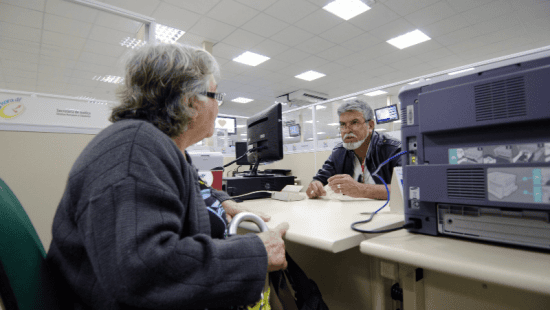
That reality is playing out in real time across California. In Los Angeles County, where economic activity depends on a steady supply of workers, population decline is already colliding with labor shortages. Hospitals, construction firms, and transit systems are struggling to fill roles as the number of working-age adults fails to keep pace with demand.
Researchers at the Pew Research Center warn that the U.S. is entering a period of sustained labor scarcity. In California, that warning carries more weight. The state is aging faster, losing residents to other regions, and seeing fewer births across most populations.
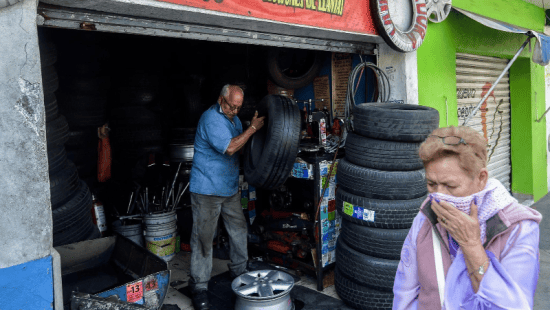
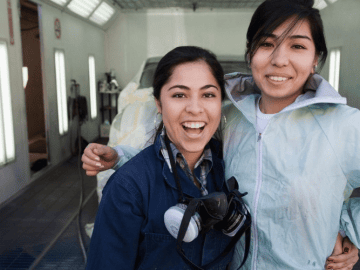
Latino workers are helping slow that contraction. In Los Angeles, they are significantly more likely to contribute to population growth than other groups, making them essential to maintaining the region’s economic base. Without that contribution, the gap between available jobs and available workers would widen much faster.
The stakes extend beyond employment. The CBO projects that slower population growth will weaken GDP expansion over the next three decades, while the number of retirees surges. Federal spending on Social Security and healthcare is expected to climb sharply, supported by a smaller pool of workers.
Analysts from the UCLA Latino Policy and Politics Institute note that Latino households are now central to stabilizing that imbalance. Their role in the labor force and continued population growth is helping sustain tax revenues and economic activity at a moment when both are under pressure.
But the window is narrowing. Latino birth rates have declined by more than 20 percent since 2010, and federal projections show fertility continuing to fall. Even among immigrant populations, birth rates remain below the level needed to maintain long-term population stability.
That means the current trajectory is not self-sustaining. By 2030, immigration becomes the only driver of U.S. population growth. Without it, the country begins to shrink. For California, that would accelerate existing challenges, from workforce shortages to reduced economic output.
Los Angeles is already a preview of what that future could look like. The county has lost tens of thousands of residents in recent years, even as demand for labor remains high. The mismatch is growing, and the margin for error is shrinking.
Latino population growth is helping hold the system together, but it is also carrying more weight than ever before. The federal warning is clear. The question now is whether policymakers will respond to the urgency, or allow the demographic shift to outpace the economy it supports.