ICE arrests in Los Angeles 2026 have slowed compared to last year’s surge, but Latino communities across the region continue to experience enforcement activity, legal uncertainty, and lasting emotional and economic impact.
ICE enforcement activity in the Los Angeles region has slowed in early 2026 compared to last year’s sharp surge, but the impact on Latino families across Southern California remains deeply present in daily life.
Recent data compiled by immigration researchers and reported by outlets including ABC7 Los Angeles shows that arrests by U.S. Immigration and Customs Enforcement have declined across Los Angeles, Orange, Riverside, San Bernardino, Ventura, Santa Barbara, and San Luis Obispo counties. The drop follows a record-high enforcement period in 2025.
However, immigration attorneys and community organizations caution that the slowdown does not mean relief. Thousands of arrests have still taken place in the region this year, and enforcement operations continue in targeted ways.
The shift is also being felt in how enforcement is carried out. Legal advocates and local reports indicate a move away from large, highly visible raids toward more discreet detentions, including arrests during scheduled immigration check-ins. This has changed how fear circulates in immigrant neighborhoods, making enforcement less visible but still present.
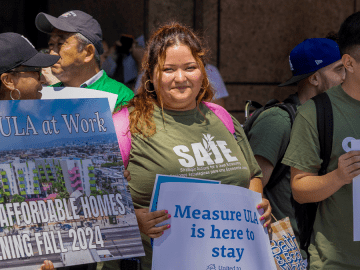
In Los Angeles County, the effect is concentrated in working-class Latino communities. Neighborhoods such as Panorama City, Highland Park, Boyle Heights, and parts of Southeast Los Angeles continue to appear in local monitoring reports as areas experiencing ongoing enforcement pressure or heightened community alerts.
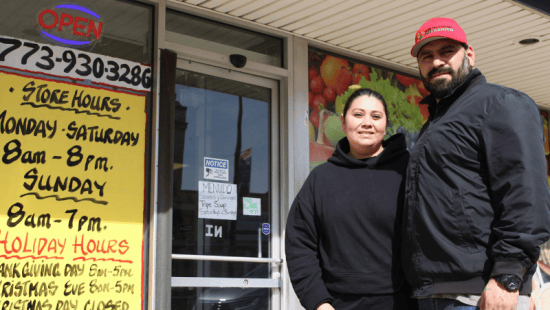
A vulnerability index released by Los Angeles County has identified specific ZIP codes, including 91402 in the San Fernando Valley, as experiencing significant disruption tied to immigration enforcement activity. Local businesses in these areas report reduced foot traffic, while families adjust routines out of concern for unexpected encounters with federal agents.
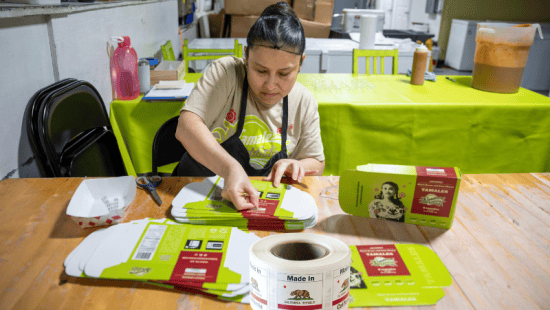
According to the U.S. Census Bureau, Latino residents make up nearly half of Los Angeles County’s population and are disproportionately represented in essential labor sectors such as construction, food services, and logistics. These jobs often require in-person work and daily commuting, increasing exposure to enforcement environments.
Public health experts also note that immigration enforcement patterns can have broader effects beyond legal outcomes. The Los Angeles County Department of Public Health has previously linked community-level stressors, including fear of enforcement activity, to increased anxiety, reduced healthcare access, and disruptions in family stability.
At the state level, the California Department of Public Health has emphasized that immigrant health outcomes are closely tied to stability, trust in public systems, and access to services without fear of enforcement consequences.
Legal challenges continue to shape the landscape. Federal court cases, including ongoing litigation involving detention practices in Southern California, have produced rulings that affect how and where arrests can occur, including limits on certain detention procedures during check-ins.
Immigration policy analyst insights from research institutions such as the Pew Research Center show that while enforcement intensity can fluctuate year to year, Latino immigrant households consistently experience the highest levels of indirect impact, including workplace disruption and family uncertainty.
Community advocates say the current moment reflects a complex reality: fewer visible raids than the previous year, but continued enforcement activity that still shapes behavior, mobility, and trust across Los Angeles neighborhoods.
For families in affected communities, the question is not only how many arrests are happening, but how daily life continues under conditions where enforcement has not fully receded.
What happens next will depend on court rulings, federal enforcement strategy, and local support systems in California and Los Angeles County.