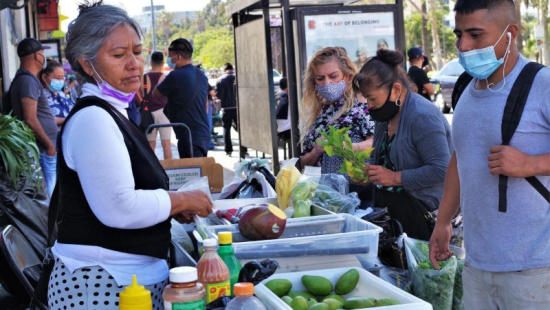
Chili peppers health benefits and longevity are gaining attention as studies link spicy foods to lower risk of heart disease. The findings connect to Latino diets in California, where traditional foods may support better long term health.
For many Latino families, jalapeños are more than flavor. They are part of daily life. Now, new research suggests chili pepers may be tied to longer life and better heart health.
Large international studies reviewed by the National Institutes of Health found that people who regularly eat hot chili peppers have up to a 25 percent lower risk of death from all causes. The findings are drawing attention in California, where diet-related diseases continue to impact Latino communities.
The question is not just about food. It is about health outcomes in a state where access to care, nutrition, and chronic disease prevention remain a challenge.
One of the most cited U.S. datasets, from the National Health and Nutrition Examination Survey showed, something we already know, that chili pepper consumption is especially common among Mexican Americans. In that study, more than half of chili consumers identified as Mexican American, compared to a much smaller share among non-consumers.
Researchers say this may connect to what public health experts call the “Latino longevity advantage,” a pattern in which Latino populations often live longer than expected despite higher rates of conditions like diabetes. The American Heart Association has documented lower mortality rates from heart disease among some Latino groups, though the reasons remain complex.
Capsaicin, the compound that gives chili peppers their heat, is believed to play a role. Studies suggest it may help reduce inflammation, improve blood flow, and support metabolism. Some evidence also points to benefits for gut health, which is increasingly linked to chronic disease prevention.
Still, experts caution against oversimplifying the findings. These are observational studies, meaning they show associations rather than direct cause. Overall diet, physical activity, and access to healthcare all shape long-term outcomes.
That context is critical in California. According to the California Department of Public Health, Latinos face higher rates of obesity and diabetes compared to other groups, conditions closely tied to heart disease. In Los Angeles County, the Los Angeles County Department of Public Health has repeatedly identified nutrition and food access as key drivers of health disparities in Latino neighborhoods.
At the same time, traditional diets rich in fresh ingredients, beans, vegetables, and spices may offer protective benefits when preserved. Public health experts say the shift toward processed foods and rising costs of healthy groceries are undermining those patterns.
“Diet is not just about individual choices. It is shaped by affordability, culture, and access,” said a public health nutrition researcher familiar with Latino health trends in Southern California. “Chili peppers may be part of a broader pattern of eating that supports better outcomes.”
For Latino families in Los Angeles, the findings may reinforce something already known in kitchens across the city. Cultural foods can be part of a healthy life.
What comes next is less about adding spice and more about protecting access to nutritious, affordable foods. As California continues to address chronic disease, the intersection of culture, cost of living, and public health will remain central to the conversation.