LA County raises eviction threshold, giving renters more time as Latino households face deepening housing strain
LA County eviction threshold change delays evictions in unincorporated areas, offering relief as rising rents and income instability hit Latino renters hardest.
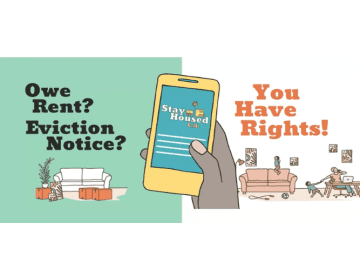
A new rule in Los Angeles County is quietly changing the timeline of eviction for thousands of renters. As of April 16, landlords in unincorporated areas can no longer begin eviction proceedings for nonpayment of rent until a tenant owes more than two months of federally defined Fair Market Rent.
The ordinance, approved by the Board of Supervisors, expands protections under the county’s Rent Stabilization and Tenant Protections framework. Previously, eviction filings could begin after one month of missed rent.
Supporters say the change reflects economic reality. Supervisor Janice Hahn described the measure as a way to give renters “breathing room” as housing costs and financial instability continue to rise.
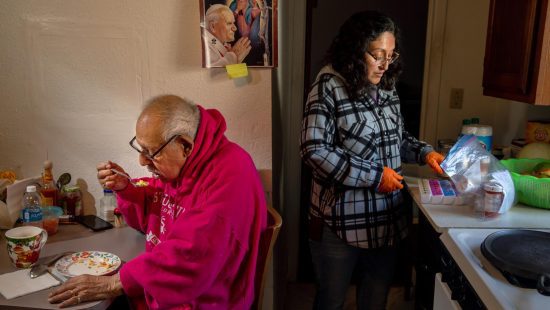
But the policy also highlights a deeper crisis that has been building across the region, particularly among Latino renters who make up a large share of the county’s tenant population.
The new threshold is tied to Fair Market Rent set by U.S. Department of Housing and Urban Development, not necessarily what tenants actually pay. That distinction matters in Los Angeles, where rents often exceed federal benchmarks.
The rule applies only to unincorporated areas of the county, leaving renters in many cities subject to different protections. Still, housing analysts say the policy effectively delays eviction filings, which can prevent immediate displacement and reduce pressure on already strained homelessness systems.
Latino renters face the highest housing pressure
Data from the UCLA Latino Policy and Politics Institute shows more than half of Latino renters in Los Angeles County are cost-burdened, meaning they spend over 30 percent of their income on housing. Many spend far more.
Among some groups, the strain is even sharper. Afro-Latino and Indigenous renters face the highest rates of severe housing burden, often paying more than half of their income toward rent.
County data shows Latino homelessness has surged in recent years, rising sharply since 2018 and now representing a significant share of the unhoused population. Analysts point to rising rents, wage instability, and limited access to assistance as key drivers.
Advocates say recent economic disruptions have intensified the problem. Reports from tenant organizations and local media indicate that immigrant workers have experienced steep income losses tied to labor instability and fear-driven workforce disruptions.
Supervisor Hilda Solis and community advocates have warned that when workers stop showing up to jobs, even temporarily, the financial impact is immediate. Rent becomes the first bill to fall behind.
The new eviction threshold is designed to slow that chain reaction. By delaying filings, the county is effectively creating a short window for renters to recover income or access assistance.
At the same time, local governments are expanding financial aid programs. The LA County Emergency Rent Relief Program offers grants covering several months of unpaid rent for qualifying households, prioritizing low-income renters and small landlords. Funds are typically paid directly to property owners to stabilize tenancies.
Other programs, including income support initiatives within the City of Los Angeles, target seniors, people with disabilities, and households affected by recent emergencies.
Still, housing experts caution that assistance remains uneven and often temporary. Demand continues to outpace available funding.
Tenant advocates argue the two-month threshold does not go far enough and have called for broader protections across all jurisdictions in the county. Landlord groups, meanwhile, warn that delayed eviction timelines can create financial strain for property owners, especially smaller ones.
What is clear is that the policy does not resolve the underlying issue. It shifts time.
In a region where rents remain high and wages unstable, that time can mean the difference between staying housed and entering a system that is already overwhelmed. For many Latino families, it may be the only margin they have left.

Latinos Hit Hardest as Inside Safe LA Homeless Program Falters