New state funding and accountability measures target homelessness and untreated behavioral health crises across California
Gavin Newsom is escalating California’s effort to address the overlapping crises of homelessness and untreated mental illness, announcing new accountability measures and more than $291 million in behavioral health housing investments tied to the voter-approved Proposition 1.
The governor’s March 2026 plan combines new funding with stricter oversight of counties implementing Community Assistance, Recovery, and Empowerment Act, commonly known as CARE Court—a program designed to connect people with severe mental illness to treatment, housing and court-supervised care plans.
“California is moving faster to make sure people living on our streets with serious behavioral health challenges get the care they need,” Newsom said in announcing the initiative.
Housing and treatment expansion
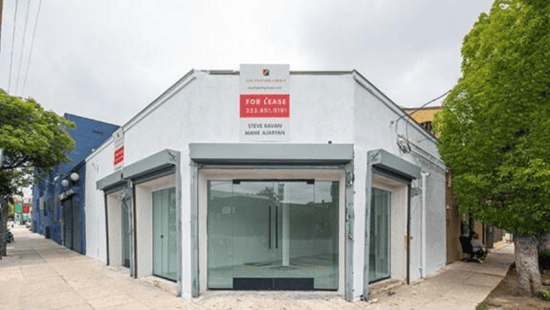
A major component of the announcement includes $131.8 million in new Homekey+ grants, which will help convert vacant properties into 443 housing units paired with behavioral health services.
The funding will support projects in several counties, including Los Angeles, Contra Costa, San Joaquin, Tehama, and Yuba, with some developments planned in Santa Fe Springs and Stockton.
The state has increasingly focused on repurposing underused buildings into treatment and housing centers, an approach policy experts say can accelerate the creation of supportive housing.
Research from the UCLA Luskin School of Public Affairs shows that supportive housing—combining stable shelter with mental health services—can significantly reduce emergency room visits, incarceration and chronic homelessness.
“Housing combined with treatment is one of the most effective interventions we have for people experiencing severe mental illness,” said Dennis Culhane, a nationally recognized homelessness researcher who has studied housing-first strategies in major U.S. cities.
Alongside new funding, the Newsom administration is increasing pressure on counties to accelerate CARE Court implementation.
Ten counties—including Los Angeles, San Francisco, Orange, Riverside and Fresno—have been flagged by the state for low participation rates, meaning fewer court petitions per capita than expected. These jurisdictions will receive additional training and technical assistance as part of what state officials describe as a “CARE accountability” effort.
By contrast, counties such as Alameda, Santa Barbara, Marin and Imperial were recognized by the state as early leaders in rolling out the program.
Recent policy changes are also expanding the reach of CARE Court.
Under California Senate Bill 27, eligibility now includes individuals diagnosed with Bipolar I disorder, in addition to schizophrenia and related conditions.
At the same time, Proposition 1 requires counties to redirect at least 30% of certain mental-health tax revenues toward housing programs for people with the most severe behavioral health needs by July 1, 2026.
Why the policy shift matters
California continues to face the nation’s largest homeless population. According to the U.S. Department of Housing and Urban Development, more than 180,000 people were experiencing homelessness in the state in 2024, with a significant portion struggling with untreated mental illness or substance use disorders.
Newsom’s latest push signals a strategy centered on accountability, housing creation and behavioral health treatment—three pillars state officials argue are necessary to stabilize communities and reduce the number of people living on the streets.
As counties race to meet new requirements before the July deadline, the success of CARE Court could shape how California—and potentially the rest of the country—approaches the intersection of mental health care, housing policy and homelessness prevention.

California Care Court initiative will attempt to tackle mental health