

 Parriva's Team
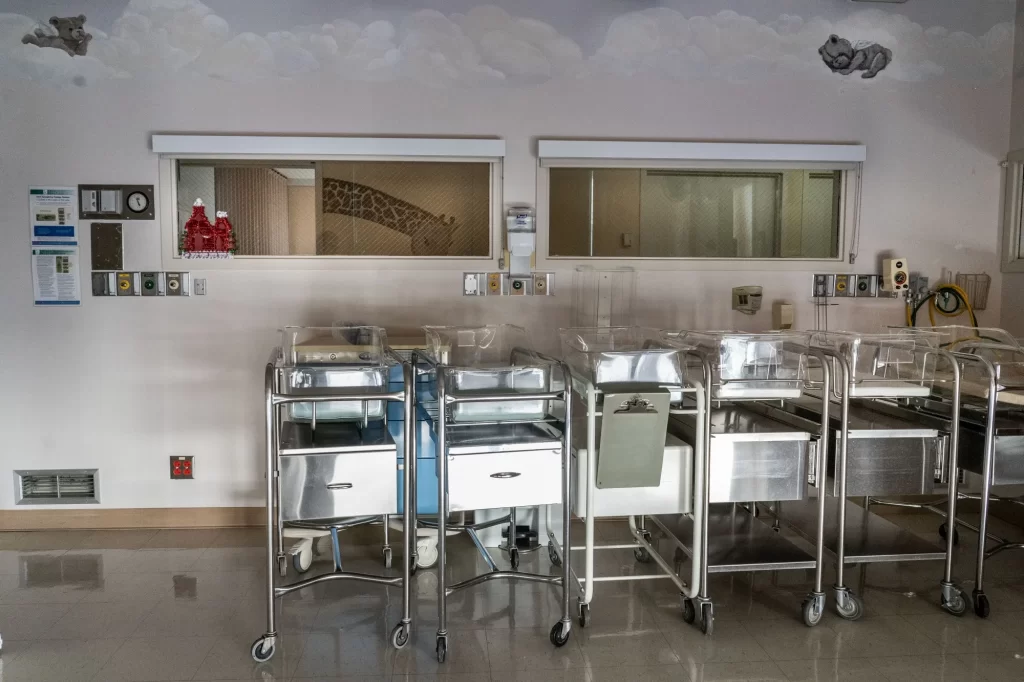
As labor and delivery units disappear across LA County, Latino and working-class families face longer distances, emergency births, and growing health risks.
Los Angeles County is facing a quiet but urgent public health crisis: the steady disappearance of maternity wards at the very moment families need them most. Since 2014, at least 16 maternity units have closed across the county, including five closures since 2023, according to reporting by county health data. These losses are not evenly distributed. They are concentrated in communities where hospitals serve large numbers of Medi-Cal patients, many of them Latino and working class.
This matters now because childbirth is not optional, and delays or gaps in care can have lifelong consequences. As maternity wards shut down, the remaining system is being pushed beyond its limits — increasing risk for mothers, newborns, and entire families.
What’s Happening
Hospitals across California cite rising staffing costs, declining birth rates, and inadequate Medi-Cal reimbursement as reasons for closing labor and delivery units. In Los Angeles County, those financial pressures have translated into fewer places where people can give birth safely and close to home.
As a result, an estimated 64% of patients in parts of South and Southeast Los Angeles now arrive at emergency departments for labor and delivery, rather than specialized maternity wards. Emergency rooms are not designed to replace comprehensive obstetric care, particularly for high-risk pregnancies or patients who lack consistent prenatal services.
Health experts and journalists have warned that these closures are creating emerging “maternity care deserts” — areas where timely, appropriate birth care requires long-distance travel.
Community Impact
For many Latino families, maternity ward closures mean longer travel times, fragmented care, and increased medical risk. Public health research consistently shows that longer distances to delivery services are linked to higher rates of complications, delayed treatment, and poorer outcomes for both mothers and infants.
Closures also strain the hospitals that remain open, leading to overcrowding, staff burnout, and reduced postpartum follow-up. These pressures come as California continues to confront maternal health disparities, with preventable complications still more common among patients with limited access to consistent care — including many enrolled in Medi-Cal.
Some hospitals, such as Martin Luther King Jr. Community Hospital in South Los Angeles, have made significant investments to keep maternity services open, recognizing that birth care is foundational to community health. But isolated efforts are not enough without coordinated public action.
What We Are Asking For
We call on Los Angeles County health officials, the California Department of Health Care Services, and state lawmakers to take the following actions:
-
Stabilize and increase Medi-Cal reimbursement for maternity care to prevent further closures.
-
Require advance public review and transparency before hospitals eliminate labor and delivery services.
-
Invest in regional maternity care planning to ensure coverage where families actually live.
-
Support safety-net hospitals that commit to keeping maternity wards open in high-need areas.
Why Public Support Matters
Public oversight matters when essential services are at risk. Signatures on this petition signal that families are paying attention, that access to safe birth care is a shared concern, and that decisions affecting public health should not happen quietly or without accountability.
Call to Action
We urge readers to sign this petition, share it with others, and stay informed as decisions about maternity care are made. Protecting access to safe childbirth is not a political demand — it is a basic responsibility to current and future generations of Los Angeles families.

New California Law Expands IVF Coverage — and Could Reduce Barriers for Latino Families

Clínica Romero, Sen. Menjivar Advance SB 1179 to Expand Care Access in Underserved Communities
California Lawmakers Push Medi-Cal Access Restoration to Counter Coverage Freeze
IMMIGRATION
A $1.8 Million Immigration Fine Just Hit a Legal Wall. What California Families Need to Know Now.
POLITICS
Sara Hernández Led the Primary. Now Comes the Final Push: Making Sure Her Community Counts
Voted for Bass in 2022. Back Raman in 2026: A Generational Revolt Among Young Latinos
Meet Thrissur, the Kerala City That Saw Nithya Raman’s Story Begin
More Angelenos Stayed Home Than Voted for Mayor in 2022. 2026 Brings a New Turnout Test