With nearly 5.9 million Southern Californians expected to drive this Thanksgiving, higher gas prices are putting pressure on family budgets. Here are six practical ways to reduce travel costs.
Gas costs more than it did a year ago, and millions of Southern Californians are about to fill their tanks anyway. The Auto Club expects a record 6.8 million residents to travel during the Thanksgiving period, and about 5.9 million of them will drive.
The price at the pump is part of the story. On Wednesday, the national average for a gallon of regular was $3.75, according to AAA. That is up from $3.08 a year ago, though down from $3.94 a week earlier. In California, the average was $5.56 as of Nov. 16, up 90 cents from the same day last year. Prices have been falling quickly, with the national average dropping more than 50 cents in about three weeks, but they remain well above last year’s levels.
Travelers are adjusting. Jena Miller, the Auto Club’s vice president for travel products and services, said people are making up for higher costs by economizing in other ways. A Bread Financial survey found that 39 percent of holiday travelers would cut spending elsewhere on their trip if gas prices rise again. Here are practical ways to keep more money in your pocket on the road.
Carpool and don’t drive alone
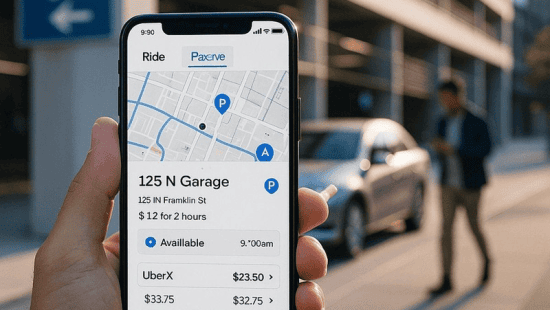
The simplest savings come from sharing the ride. Two cars heading to the same dinner burn twice the fuel of one. If relatives or friends live nearby and are traveling to the same place, choose one vehicle and split the cost of gas. Carpooling also reduces spending on parking and tolls and cuts wear on your car.
A full car can also use carpool lanes, which can move faster than general traffic on crowded freeways. Check the hours and occupancy rules before you go, since they vary by road. Sharing the ride has a safety benefit too. Drivers can trade off on longer trips, which helps prevent fatigue.
Avoid stops
Every stop costs money and fuel. Braking and accelerating burn more gas than steady driving, and each exit near a freeway tempts you into spending on food, drinks and impulse buys.
Map your route before you leave and check a navigation app for real time traffic. Combine errands into a single trip, and drop the extra detours. Use cruise control on open stretches to hold a steady speed. Fill your tank before you leave, close to home, rather than on the road. Stations near freeway exits and airports often charge more, and a gas price app can show you cheaper options in your own neighborhood.
Bring snacks and drinks
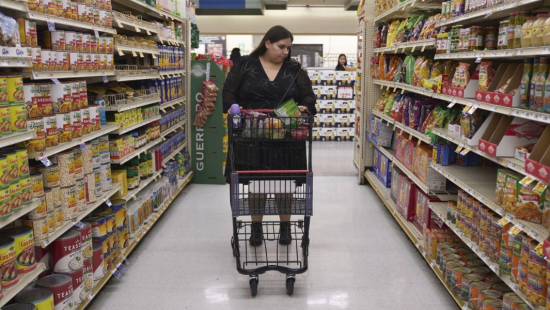
Food at gas stations, rest stops and airports is expensive, and the cost multiplies in a full car. Pack a cooler with sandwiches, fruit, nuts, granola bars and water, and bring refillable bottles instead of buying drinks along the way.
Packed snacks also help you avoid unplanned stops. They keep children calm, keep the driver alert and keep the trip moving. Bring a bag for trash so the car stays tidy for the ride home.
Prepare your car
A few minutes of preparation can save fuel. Check tire pressure, since underinflated tires waste gas. Remove roof racks and unneeded heavy items from the trunk, because extra weight and drag lower fuel economy. At highway speeds, keep your windows up. Check oil and fluid levels before a long drive to avoid costly breakdowns far from home.
Choose your time carefully
Leaving at off peak hours can save both time and gas. Early morning and late evening departures often avoid the worst congestion, and stop and go traffic is one of the biggest fuel wasters. If your schedule is flexible, avoid the busiest times, which are typically the afternoons before and after the holiday.
Use rewards and compare prices
If you belong to a warehouse club, its gas station often has some of the lowest prices in town. Grocery store fuel rewards, gas station loyalty programs and credit cards that offer cash back on fuel can lower the cost of a fill up. Compare prices before you go, and weigh any detour against the savings. A station a few miles away is only a bargain if the savings exceed the extra gas you burn getting there.
Small choices add up
None of these steps will make gas cheap again, but together they can make a real difference over a long holiday trip. Sharing the ride, packing food, limiting stops and preparing your car cost little and take little time.
Whatever you save, put safety first. Rest when you are tired, switch drivers when you can, and give yourself extra time. A calm, steady trip is usually the cheapest one too.