New CDC findings show that stroke mortality is increasing among some younger adults. Here’s what the numbers mean, which risks deserve attention, and when to call 911.
Most adults in their 30s and early 40s aren’t expecting to have a stroke. But new federal findings offer a reason to pay attention to cardiovascular health earlier in life.
A CDC study published November 19 found that stroke death rates among Americans ages 35–44 have been rising since 2013, reversing an earlier decline.
That doesn’t mean strokes are suddenly common among younger adults. Death rates remain much lower than among older Americans, and the study cannot explain why the trend changed.
Still, there are practical steps people can take now and warning signs everyone should recognize.
What do the new stroke numbers mean?
Across all U.S. adults, the age-adjusted stroke death rate fell 36.3% between 2000 and 2024, from 81.4 to 51.9 deaths per 100,000 people.
Among adults ages 35–44, the rate also remained lower than it was in 2000, declining from 5.8 to 4.6 deaths per 100,000.
The concern is the more recent direction. After years of improvement, mortality in this age group increased by an estimated 1.1% annually from 2013 through 2024.
That percentage describes the annual change in the death rate—not the percentage of younger adults dying from strokes.
The CDC also found that stroke mortality among women overall has been increasing since 2011, although men continued to have higher death rates. The study did not establish the same trend specifically among younger women.
Importantly, researchers examined deaths, not every stroke that occurred. They could not determine whether the increase resulted from more strokes, differences in severity, treatment access, or other factors.
What should adults in their 30s and 40s do?
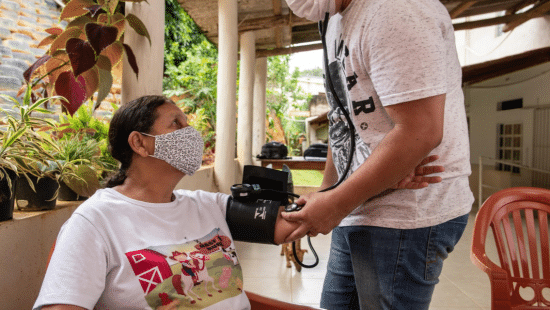
Start by knowing your blood pressure.
High blood pressure can develop without noticeable symptoms. It is also a major risk factor for stroke.
If you haven’t checked yours recently, ask a health care professional when and how often you should be screened. If you already have high blood pressure, follow your treatment plan and discuss readings that remain elevated.
Parriva previously reported on a long-term study of hypertension among Hispanic and Latino adults, highlighting challenges with prevention and control. That research provides useful context, but it does not establish the cause of the CDC’s new mortality findings.
If you measure blood pressure at home, technique matters. Parriva’s guide to five blood pressure mistakes that can change your reading explains how positioning, timing, and other details can affect results.
Pay attention to other cardiovascular risks.
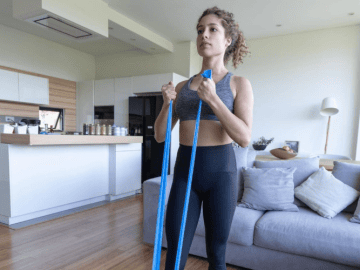
The CDC’s stroke prevention guidance recommends managing cholesterol and diabetes, avoiding tobacco, eating a healthy diet, staying physically active, and working with a health care professional to manage existing conditions.
These are established prevention measures, not treatments proven by this new study to reverse the recent mortality increase.
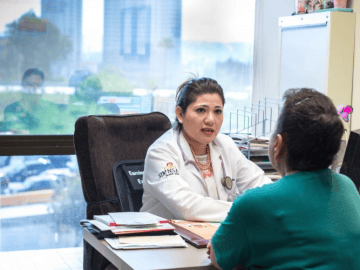
People with a family history of stroke or other cardiovascular concerns can discuss their individual risks with a clinician.
Would you recognize a stroke?
Knowing your risk factors matters. So does knowing when to seek emergency care.
Stroke symptoms often appear suddenly, and a person experiencing them may not recognize what is happening.
The CDC’s stroke warning-sign guidance identifies sudden trouble with balance, vision, facial movement, arm strength, and speech.
A useful way to remember common warning signs is B.E. F.A.S.T.:
- Balance: Sudden loss of balance or coordination.
- Eyes: Sudden trouble seeing.
- Face: One side of the face droops.
- Arms: Sudden weakness or numbness, especially on one side.
- Speech: Slurred speech or difficulty speaking.
- Time: Call 911 immediately.
Other warning signs include sudden confusion or a severe headache without a known cause.
Don’t wait to see whether symptoms disappear. Even symptoms that go away can signal a serious medical emergency. Don’t drive yourself to the hospital; call 911.
Prompt treatment can improve the chances of survival and reduce disability.
Why are stroke deaths increasing?
That remains an unanswered question.
The CDC pointed to earlier research documenting increases in some cardiovascular risk factors and stroke incidence among younger adults.
Researchers also discussed possible disruptions to health care during the COVID-19 pandemic. But the mortality increase among adults ages 35–44 began years before the pandemic.
The study could not determine the contribution of COVID-19, specific risk factors, or differences in treatment.
It also did not establish that California residents or Latino adults experienced the same national trends. Parriva’s earlier reporting on cardiovascular disease among Latinos in California provides regional context, not proof of an identical stroke mortality pattern.
For now, the message is neither panic nor reassurance that age alone provides protection.
Stroke remains much less likely to cause death in younger adults than in older populations. But knowing your blood pressure, managing cardiovascular risks, and recognizing an emergency are worthwhile long before retirement age.
The CDC’s findings leave important scientific questions unanswered. They do not leave younger adults without practical ways to protect their health.