Richard Barrera will take office as California transfers control of its Education Department to an appointed commissioner. Here’s what changes for families.
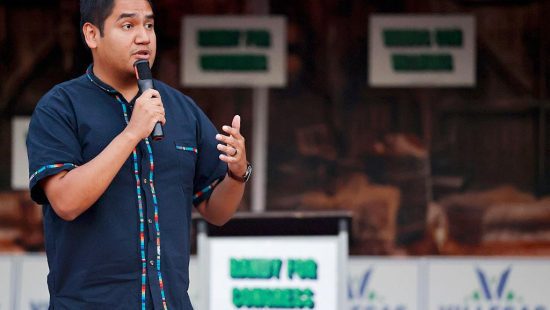
Richard Barrera is expected to become California’s next superintendent of public instruction after defeating Sonja Shaw in the November 3 election. But the job voters chose him to fill is about to change significantly.
Beginning January 1, 2027, California’s elected superintendent will no longer manage the Department of Education. That responsibility will transfer to an education commissioner appointed by the governor and confirmed by the state Senate.
Barrera will still represent California’s nearly six million public school students. What he will no longer have is direct administrative control over the state agency responsible for implementing many education programs.
For families, that creates an important question: When schools need help, who will be responsible for delivering it?
Barrera won the election. What authority will he have?
Shaw, president of the Chino Valley Unified school board, conceded on November 4. The Associated Press called the race for Barrera on November 6, although California will not certify the results until December 11.
Barrera, president of the San Diego Unified school board, campaigned on improving school funding, expanding early childhood education and strengthening teacher recruitment.
He will have a statewide platform to advocate for those priorities, but limited authority to implement them independently.
Under Assembly Bill 181, Barrera will lead a separate Office of the Superintendent with 11 staff positions. His responsibilities will include representing the public, coordinating education priorities and evaluating programs.
He will also become a voting member of the State Board of Education on January 15, giving him a direct voice in statewide policymaking.
That matters. Barrera can advocate for more school funding, but he cannot approve a larger state education budget himself. He can push for stronger academic standards, but statewide decisions will involve the State Board, Legislature and other officials.
Voters have elected a statewide education advocate and policymaker, not the administrator who will run the Department of Education.
Who will run California’s Education Department?
The governor will appoint an education commissioner, subject to Senate confirmation, to manage the department.
The change is intended to resolve a longstanding problem: California’s State Board of Education sets policies, while the independently elected superintendent has traditionally managed the department responsible for implementing them.
A Legislative Analyst’s Office review explains that AB 181 transfers department management to the commissioner while preserving a separate elected superintendent’s office.
Supporters believe the new arrangement will make responsibility clearer and improve coordination.
But the commissioner will not be elected directly by voters. The governor’s appointment, Senate confirmation and the State Board’s policymaking responsibilities will become important parts of public accountability.
The reform has not yet demonstrated that it will improve student achievement or district support. Those results must be measured after implementation.
Parriva previously examined how California’s new education commissioner could affect LAUSD’s financial challenges. That analysis explains the restructuring’s potential consequences for district finances.
The election adds a different question: What can families reasonably expect from Barrera, and which decisions will belong to someone else?
What does this mean for Los Angeles families?
This matters for families in Los Angeles, where districts face questions about academic achievement, declining enrollment, staffing and financial stability.
Los Angeles Unified’s budget challenges provide an immediate example of why responsibility must be clear.
The Legislature and governor will continue making major state funding decisions. The State Board will establish statewide education policies. The commissioner will manage the department administering many state programs.
Barrera can advocate for changes, evaluate programs and participate in State Board decisions. But he cannot independently increase school funding or order LAUSD to adopt every policy he supports.
Local school boards will continue making many operational and budget decisions.
Parriva previously reported on LAUSD’s appointment of Andrés E. Chait as superintendent. Chait manages the district under the authority of its elected school board.
Los Angeles County education officials have separate fiscal oversight responsibilities, including reviewing LAUSD’s budget. Those responsibilities do not transfer to Barrera.
For a parent concerned about classroom staffing, special education services or school funding, knowing which office controls the decision is essential to demanding an answer.
Who should families hold accountable?
The first test will be whether California’s new leadership clearly explains its responsibilities.
The commissioner must submit recommendations for further governance changes by October 1, 2027. Families should also be able to examine whether state programs are delivered effectively, districts receive timely support and student outcomes improve.
Barrera can use his elected position to press for those results. The commissioner will be responsible for managing the department carrying out many state programs. Local school boards will remain accountable for their own district decisions.
California has changed who runs its education agency. The election has determined who will represent the public within that new structure.
The challenge now is making sure families know who has the power to act when their schools need help.