Mayor Karen Bass ordered simpler restaurant permits and asked officials to explore financial assistance as owners face rising costs, fewer customers and immigration-enforcement disruptions.
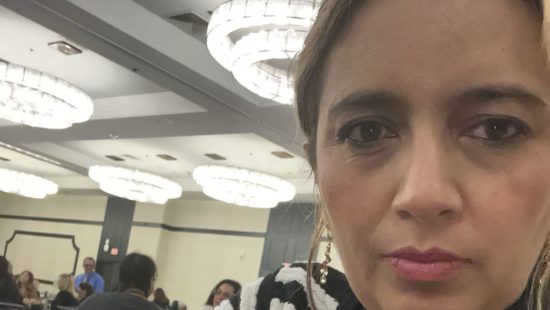
Rosa López Lorenzo knows what it takes to open a restaurant. She sold tacos, elotes and sandwiches on the streets of South Los Angeles, building a customer base until she and her brother were able to open Chapos Tacos.
Keeping it running has brought a different set of challenges.
“The economy is bad, the immigration raids have hurt businesses, people avoid going out on the street, that’s hurt us,” she told Parriva in an August interview.
Even when customers stay home, the bills don’t stop.
Now Los Angeles Mayor Karen Bass is moving to make it easier to open, operate and expand restaurants. Her plan includes simpler outdoor dining permits, help navigating City departments and the possibility of financial assistance for struggling businesses.
The changes come as some restaurant owners are fighting to keep their doors open, raising a question that remains unanswered: How much relief will the new measures provide for businesses already under financial pressure?
A Difficult Time for Restaurant Owners
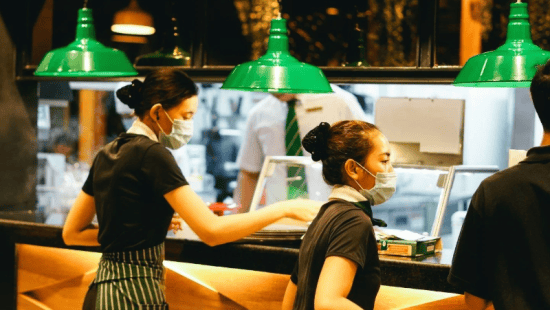
Running a restaurant means paying for food, employees, rent, insurance and utilities before knowing how many customers will walk through the door.
For some businesses serving immigrant communities, federal immigration enforcement has made that uncertainty worse.
A July 2026 study from UCLA’s Latino Policy and Politics Institute found that businesses near nine documented immigration-enforcement sites in Los Angeles County experienced an estimated 46,000 fewer customer visits and $3.16 million in lost revenue during the two weeks following enforcement operations in June 2025.
Researchers also surveyed 75 Latino entrepreneurs across different industries. Among those participants, 59% reported revenue declines greater than 50%, and 52% said their sales no longer consistently covered operating expenses.
The study does not establish how many Los Angeles restaurants have permanently closed because of immigration enforcement. But it documents a financial strain that restaurant owners such as López Lorenzo have described firsthand.
In her interview with Parriva, López Lorenzo recalled starting with street vending, visiting auto shops and gradually earning regular customers. Opening a restaurant was the goal she worked toward.
Now she is trying to protect what she built.
“I fight for it and I find a way,” she said. “You have to be persistent and patient.”
Her experience is part of a wider picture Parriva has documented in its reporting on the pressures facing Los Angeles small businesses.
What Mayor Bass Wants to Change
On October 28, Bass signed Executive Directive No. 24, instructing City departments to reduce permitting obstacles and examine ways to help restaurants manage costs.
One of the first changes concerns outdoor dining.
Within 30 days, departments must implement a self-certification program for qualifying Al Fresco installations. Depending on the final guidelines, restaurant owners could certify compliance for certain outdoor features, including tables, chairs, umbrellas and shade structures, instead of going through some existing review procedures.
The program is intended to apply to eligible outdoor dining on private property, sidewalks and streets. Safety, accessibility and other requirements will still apply.
The directive also calls for scheduled, multilingual assistance at the City’s ten BusinessSource Centers. Owners would be able to meet with staff from departments involved in permits, planning, transportation and fire safety.
For someone trying to open a restaurant or add outdoor seating, fewer trips between City offices could mean less time waiting and fewer expenses.
Existing restaurants could benefit, too.
Bass also ordered reviews of zoning restrictions, alcohol authorization and sewer-related fees. Departments must examine whether certain fees could be paid in installments, deferred or reduced.
Those possibilities are not yet approved fee reductions.
The City will also study entertainment zones that could allow designated outdoor alcohol consumption during special events, potentially bringing more visitors to commercial corridors.
Financial Help Is Still Being Explored
The directive goes beyond permitting. It acknowledges the costs of keeping a restaurant operating and calls for a possible grant program.
Bass instructed the Community Investment Department to identify potential funding sources within 15 days of the October 28 order.
If established, the program could help restaurants pay expenses such as rent, payroll, utilities, insurance and permit fees.
But there is no confirmed funding amount, published eligibility list or application date for a new grant program under this directive.
A restaurant owner waiting to install outdoor seating may benefit from faster permits. An owner struggling to cover next month’s rent faces a different problem.
The directive addresses both concerns, but not on the same timetable. Departments have specific instructions to implement permitting improvements, while financial assistance still depends on identifying funding and determining how a program would operate.
Whether either measure will be enough to help businesses experiencing prolonged sales declines remains unknown.
The first deadline is approximately November 12, when the Community Investment Department must report on potential restaurant grant funding.
Most permitting improvements and related departmental reviews are due around November 27. A proposed citywide entertainment-zone framework is due around December 12.
Those dates are deadlines for City action or reports, not guarantees that every proposed benefit will be available to restaurant owners by then.
Businesses considering outdoor dining can review the City’s current Al Fresco permitting requirements while waiting for the new guidelines.
For Los Angeles restaurants, the challenges are not all the same. Some owners need a faster path to opening or expanding. Others need more customers, manageable expenses or enough financial breathing room to survive a difficult stretch.
Bass’s directive begins to address several of those concerns. Its impact will become clearer as departments put the permitting changes into practice and determine whether financial assistance can be funded.
For López Lorenzo, the daily work continues.
“Defeat isn’t in my vocabulary,” she told Parriva.
Her determination has helped keep Chapos Tacos going. Whether the City’s latest initiative will make that work easier is a question the coming months may begin to answer.