California’s debate over Newsom’s record highlights a gap between helping undocumented students afford college and expanding their opportunities to work.
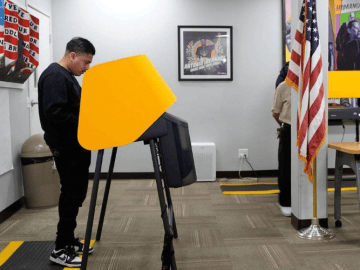
California voters are increasingly dissatisfied with Gov. Gavin Newsom’s record, with most rating his tenure as “poor” or “fair” and saying they want his successor to take the state in a different direction, according to a new Citrin POLITICO poll. Yet Democrat Xavier Becerra, who has been among the gubernatorial candidates most vocal in praising Newsom during the primary, leads Republican Steve Hilton by 20 percentage points, revealing a disconnect between voters’ desire for change and their support for a candidate associated with the current administration.
The findings raise questions about Newsom’s political legacy and the responsibilities of the Democratic leadership seeking to succeed him. For California’s Latino communities, particularly undocumented students who have depended on state policies to pursue higher education and economic opportunity, the debate goes beyond voter dissatisfaction. It also concerns what Newsom’s administration has delivered, what remains unfinished, and what the next governor should do differently.
California has established several programs to help undocumented students access higher education. Under AB 540, eligible students can qualify for in-state tuition at public colleges and universities. The California Dream Act also allows eligible students to apply for state financial aid, helping some cover the costs of attending college despite being ineligible for federal student assistance.
These programs represent meaningful protections for students who might otherwise face significant financial barriers. However, access to college does not automatically translate into access to employment, financial stability or professional advancement.
That distinction became particularly visible in 2024, when Newsom vetoed AB 2586, a bill that would have prohibited the University of California and California State University systems from disqualifying students from campus employment because they lacked federal work authorization. The legislation was intended to expand opportunities for undocumented students seeking jobs that could help them pay for college and gain professional experience.
Newsom cited legal concerns in his veto message. Nevertheless, the decision disappointed immigrant rights advocates who argued that students should have a fair opportunity to work within the institutions where they study.
For undocumented students, the consequences can be significant. Tuition assistance may help cover part of an education, but students still face expenses such as housing, food, transportation and books. Employment opportunities can be essential to meeting those costs. Restrictions on access to campus jobs may also limit students’ ability to gain experience and establish professional connections before graduation.
These challenges raise a broader question about Newsom’s relationship with Latino communities and immigrant families. Democratic leaders in California have supported policies intended to protect immigrants and expand access to public services. Yet advocates continue to press for additional measures that would help undocumented residents translate those protections into tangible opportunities.
The question of what Newsom owes these communities is ultimately one of political accountability. Latino Californians are not a monolithic voting bloc, and undocumented students have diverse experiences and priorities. Still, communities that have looked to state leadership for educational access and economic mobility have legitimate reasons to examine whether policy commitments have produced meaningful results.
Newsom’s record includes both programs that have expanded opportunities and decisions that advocates believe have left important gaps. A fair assessment must acknowledge both.
Meanwhile, Becerra’s polling lead over Hilton suggests that dissatisfaction with Newsom does not necessarily mean voters are ready to abandon Democratic leadership. Voters may want changes in the state’s direction while remaining supportive of a candidate from the same party. The poll, however, does not establish which specific policies are driving their preferences.
For Becerra, the challenge will be to demonstrate how his administration would respond to public frustration while addressing the needs of communities that continue to face barriers to opportunity. For Latino families and undocumented students, that means looking beyond campaign rhetoric to concrete proposals involving education, employment, affordability and access to public resources.
As Newsom’s tenure comes under scrutiny, the central question is not simply whether California voters want change. It is whether the next governor will address the shortcomings that remain, including the gap between helping undocumented students enter college and enabling them to build sustainable futures after graduation.
For communities whose opportunities have been shaped by state policy, Newsom’s legacy will ultimately be measured not only by the protections established during his administration, but also by the barriers that remain unresolved.