California’s new courthouse dashboard documents civil arrests at state courts. Here’s what the law actually protects, why federal enforcement continues, and what people with court dates need to know.
California has a law meant to protect people from civil arrests when they go to court. In September, Governor Gavin Newsom signed another law expanding those protections.
Yet federal immigration agents are still making arrests at California courthouses.
Now, the state’s own court records show that enforcement has continued.
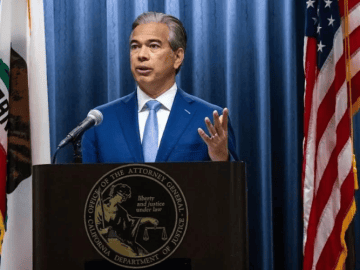
According to California Attorney General Rob Bonta, Superior Courts reported 34 civil immigration-enforcement incidents in June 2026, resulting in 30 arrests. In July, courts reported 28 incidents and 28 arrests.
For someone with an upcoming court date, those numbers raise a reasonable question: Didn’t California pass laws to stop this from happening?
Yes. But there’s an important difference between having a legal protection and being guaranteed that an arrest cannot happen.
What California’s courthouse law actually protects
California Civil Code Section 43.54 has generally prohibited civil arrests of people attending court proceedings or conducting legal business inside courthouses since January 2020.
The law includes an exception for arrests made under a valid judicial warrant.
That distinction matters because an ICE administrative immigration warrant is not the same as a warrant issued by a judge.
The law protects access to California’s courts. But it doesn’t mean federal immigration agents are categorically prohibited from entering a courthouse.
Federal officers exercise authority under federal immigration law. Whether California’s restrictions can be enforced against them, and whether a particular arrest was legally authorized, can become questions for federal courts.
California strengthened its protections again when Newsom signed SB 873 on September 29, 2026.
The legislation expands protections to people traveling to, attending or leaving courthouses for lawful activities. It also addresses certain surrounding areas and establishes additional procedures and remedies.
However, those expanded provisions are scheduled to take effect January 1, 2027. They were not the operative protections when the June and July arrests occurred.
California’s new dashboard shows arrests continued
The California Judicial Council now publishes a dashboard tracking reported civil arrests inside state trial court facilities.
The reporting system began June 1, 2026. The dashboard, updated in October, allows the public to examine incidents by county and identify individual courthouses where they have been reported.
That information matters because people can now see more than a statewide total.
But readers need to understand what the numbers mean.
Under the reporting rule, an incident can involve an actual civil arrest or an officer communicating an intention to make one. Not every reported incident results in someone being taken into custody.
The dashboard also does not establish whether every arrest complied with California law. Nor does it predict whether immigration agents will appear at a courthouse on a future date.
Still, the records document enforcement activity at state courthouses despite California’s longstanding protections.
Readers can check the Judicial Council’s civil-arrest dashboard.
Why are ICE arrests still happening?
The dispute has reached federal court.
On October 15, California Attorney General Rob Bonta filed a lawsuit challenging federal immigration enforcement in and around state courthouses.
California argues that the enforcement practices interfere with the state’s ability to administer justice.
The lawsuit describes incidents involving people arriving for hearings and alleges that courthouse enforcement discourages victims, witnesses and others from participating in legal proceedings.
Those are the state’s allegations. The new lawsuit has not established that every arrest described was unlawful.
The lawsuit follows a June 2026 federal ruling in Pablo Sequen v. Albarran that vacated certain federal courthouse-enforcement policies.
But that ruling did not categorically prohibit every civil immigration arrest at every courthouse.
The federal government asserts immigration-enforcement authority, while California argues that longstanding protections against civil courthouse arrests and the state’s responsibility to operate its courts limit that authority.
Those competing legal positions help explain why a state law has not, by itself, stopped federal enforcement. Related federal immigration policies have also faced legal challenges, including a case we covered in Federal Judge Blocks Work Permit Rules for TPS and Asylum Seekers in California.
California’s October 15 lawsuit announcement explains the state’s legal claims and reported incidents.
What people with upcoming court dates should know
For people preparing to attend court, understanding the limits of these protections is important.
Know which court you’re attending. California Superior Courts and federal immigration courts are different systems. The Judicial Council dashboard covers California state trial court facilities, not federal immigration courts.
Don’t mistake past reports for a safety forecast. A courthouse with no reported civil arrests is not guaranteed to be free of future enforcement. Past incidents also cannot predict what will happen at an upcoming hearing.
Don’t skip a required appearance without legal advice. Missing court can have serious consequences. Someone concerned about attending should speak with a qualified attorney or accredited legal representative about their circumstances and any legally available alternatives.
Use reliable court information. The California Courts website provides court resources, while the Judicial Council dashboard shows historical reports of civil arrests at state trial court facilities.
For people in Los Angeles County, the Los Angeles Superior Court website provides information about courthouse locations, hearings and court services.
California’s courthouse protections are real. They can provide legal grounds to challenge certain arrests and protect access to court proceedings.
But the state’s new records underscore something everyone with a court date should understand:
A law restricting courthouse civil arrests is not a guarantee that federal immigration agents cannot make an arrest there.