Visa revocations surge 150% as students, workers, and Latino-majority countries face expanded scrutiny
The U.S. State Department announced on Monday that it has revoked more than 100,000 visas since U.S. President Donald Trump took office in January of last year, which he said constitutes a new record. The cancellations, which fall within the administration’s hardline immigration policy, represent a 150% increase compared to 2024.
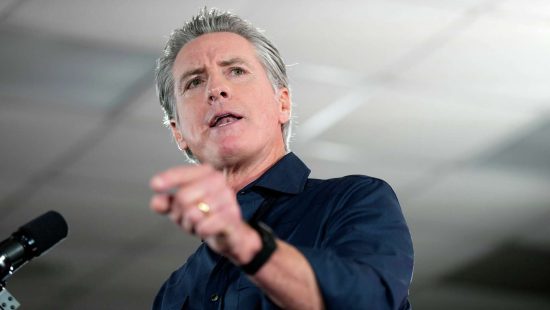
The government boasted about the news on the State Department’s Twitter account. “We will continue to deport these thugs to keep America safe,” reads the post, accompanied by a photo of the Republican striking one of his trademark celebratory poses.
According to the State Department, the revocations included around 8,000 student visas and another 2,500 specialized visas belonging to people who had run into trouble with the U.S. law enforcement over criminal activity. The four main grounds for revocation were overstaying after a visa had expired, driving under the influence of alcohol, assault, and theft, Deputy State Department spokesperson Tommy Pigott said.
Visa denials are just one of the initiatives undertaken by the Trump administration against the presence of foreigners in the country. These measures range from the mass deportation of hundreds of thousands of migrants to terminating the legal status of people who had previously been authorized to remain and work in the United States — a move that made millions undocumented overnight.
Over the course of last year, the government has suspended and expelled students for speaking out against the war in Gaza and for criticizing Israel’s actions, accusing them of supporting Hamas. Many of them were forced to leave the country just before their graduation. The arrival of international students in the United States fell by nearly 20% in August compared to last year, marking the steepest drop since the COVID-19 pandemic.
That same month, the government announced that it was reviewing the cases of more than 55 million people holding valid U.S. visas in search of any infraction that could lead to deportation, as part of a broader crackdown on foreigners who are legally permitted to be in the United States.
Human rights advocates have warned that the expansion of what has been called the Continuous Vetting System represents a drastic escalation in the surveillance of legal migrants and constitutes an attack on freedom of expression, forcing millions of visa holders to alter their behavior by avoiding political protests, deleting social media posts, and refraining from expressing opinions that might deem “anti-American,” despite the fact that the First Amendment protects such expression regardless of citizenship.
Likewise, according to a proposal submitted by U.S. Customs and Border Protection (CBP) and the Department of Homeland Security (DHS), foreign travelers seeking to enter the United States could be required to disclose up to five years of their social media history prior to entry. The scrutiny would also apply to citizens of countries that do not require a visa.
To further restrict entry for citizens of certain countries, the government last week expanded the list of nations whose citizens will be required to post a deposit or bond of up to $15,000 to obtain a visa. A total of 38 countries now appear on the list, most of them in Africa, Asia, and South America, including Cuba and Venezuela.
USCIS Marriage Green Card Rules Change in 2026: What Families Must Know