New ICE-driven vetting rules, expanded enforcement, and rising fear among sponsors are reshaping the ORR immigrant shelter system and leaving thousands of children in prolonged custody.

Shelter Network Turned on Its Head
The nation’s network of roughly 170 federal shelters for “unaccompanied” immigrant children is run by the Office of Refugee Resettlement, part of the Department of Health and Human Services. The office is tasked with temporarily housing vulnerable children who cross the border alone, holding them in the least restrictive setting possible until they can be released to a sponsor in the United States. Typically that means placing kids with a parent or other family member. The office finds and vets the sponsors and is required to release children to them without delay. Once kids are out, they can apply to remain here permanently.
Under Biden, when border crossings emerged to record highs, around 470,000 children were released to sponsors after going through the shelter system. Republicans said the releases incentivized smugglers to endanger children on the long journey north and encouraged parents to send their children across the border alone.
The White House called the previous administration’s sponsor-vetting process “abysmal,” and said that many records pertaining to minors released under Biden “were either fraudulent or never existed to begin with.”
Biden officials deny these claims. But some kids have indeed ended up working in dangerous jobs.
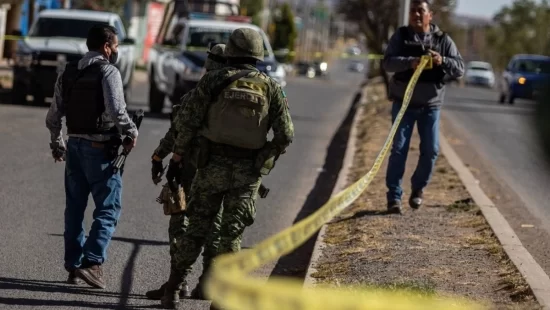
The Trump administration has placed former ICE officials in charge of the refugee resettlement office and has made it a priority to locate children who were released from custody in previous years. To facilitate the effort, ICE plans to open a national, 24-hour call center meant to help state and local officials find them. The government says it says it has already checked on more than 24,400 children in person, and it cited more than a dozen examples of sponsors and immigrant minors arrested for crimes ranging from murder to drug trafficking, rape and assault. One of the cases the White House highlighted was of a 15-year-old Guatemalan girl the government says was released in 2023 to a man who falsely claimed to be her brother and allegedly went on to sexually abuse her.
Under Trump, the government has introduced new vetting requirements, including expanded DNA checks, fingerprinting for everyone in the sponsor’s household and heightened scrutiny of family finances.
In response to questions from ProPublica, the refugee resettlement office said it was legally required to care for all unaccompanied children who came through its doors and defended the new vetting process. “The enhanced sponsorship requirements of this administration help keep unaccompanied alien children safe from traffickers and other bad, dangerous people,” a spokesperson said.
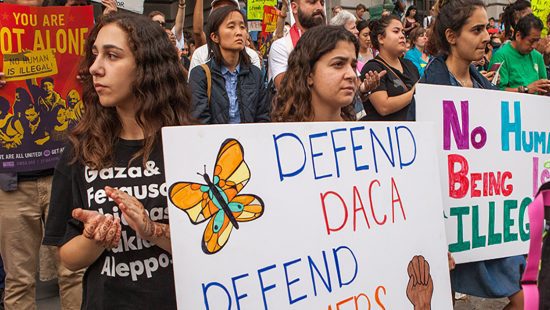
Because so many children are now being sent into shelters in ways they hadn’t been before, though, lawyers and advocates worry the administration’s efforts have another motive: to more broadly target and deport immigrant kids and their families. They also say the new requirements are creating so much fear that some undocumented family members are hesitant to come forward as sponsors.
Around half of the kids that ICE sent into the shelter system this year have been there before. When they arrived years ago, after crossing the border alone, they were released as soon as possible. This time, back in the system, they’re languishing.
“I think that they’re using a clearly vulnerable, clearly sympathetic population in a way that sends a powerful message to literally every other population,” said Jen Smyers, who was an official at the Office of Refugee Resettlement during the Biden administration. “If they’re going to go after these kids who have protections and say we care about them, and then treat them like this, that shows everyone that no one is safe.”
This month, attorneys suing the government over its treatment of children in the shelter system recovered a government document being provided to unaccompanied minors who cross the border. It warns them that if they do not choose to leave the country within 72 hours they will “be detained in the custody of the United States Government, for a prolonged period of time.” The document also warned that if the person who sought to sponsor the minors was undocumented, they would be “subject to arrest and removal” or to criminal penalties for “aiding your illegal entry.”
Customs and Border Protection told ProPublica that the document is used to ensure immigrant children “understand their rights and options.”
There have already been cases of prospective sponsors who have been shown up at government offices for in-person interviews and been detained for being in the country illegally, said Marie Silver, a managing attorney at the National Immigrant Justice Center in Chicago.
“They are using the kids as bait, and then the kids are stuck,” Silver said. “They are creating unaccompanied children this way.”