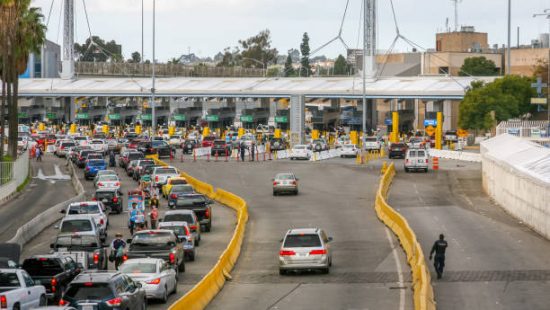
Amid US pressure against Cuba and Nicaragua, the regime of Daniel Ortega and Rosario Murillo eliminated visa-free travel for Cuban citizens earlier this week. These citizens typically arrive in Managua or cross Nicaragua’s southern border on foot as part of their migration route to the United States. The decision, announced discreetly by the Interior Ministry after media outlets leaked the official statement, comes as Cuba faces its worst crisis in decades, marked by the oil embargo imposed by the Republican administration.
“As of this date, all citizens of the Republic of Cuba with ordinary passports have had their immigration category changed from A, visa-exempt, to C, visa required and free of charge,” the official decree states.
The elimination of visa-free travel is part of a series of concessions Nicaragua has been forced to make in the face of the regional realignment imposed by Trump following the arrest of Nicolás Maduro, Managua’s main political ally along with Cuba. In addition to the release of political prisoners, cooperation in the fight against drug trafficking, and the reception of migrants deported by the United States, the cancellation of the visa exemption for Cubans has now been added.
It is unclear whether this was a direct request from the Donald Trump administration—particularly through Secretary of State Marco Rubio—or a unilateral decision by the Ortega-Murillo regime to avoid potential sanctions from the White House. Weeks ago, the American magazine Politico revealed that the Sandinista administration, following Maduro’s fall, is trying to present itself as compliant with Trump’s agenda and, in that sense, remain in power. These concessions, in any case, do not jeopardize the dynastic succession headed by co-president Murillo.
“Murillo believes she can calm the situation by changing visa policy. However, Cuban migration hasn’t changed, even with the worsening energy crisis in June and the protests in Cuba in September. It’s a muted approach and, in any case, a bit belated,” Manuel Orozco, a researcher at the Inter-American Dialogue, tells EL PAÍS. “But in reality, they aren’t thinking clearly or out of ‘necessity’; it’s more of a ‘just in case’ scenario,” he adds, referring to Ortega’s waning power in the face of Murillo’s all-powerful figure.