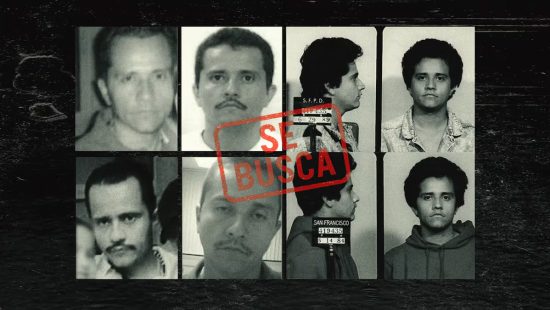
An entire cell block, internet access, and after-hours visits: these were some of the conditions under which former Gulf Cartel leader Osiel Cárdenas Guillén lived during part of his incarceration in the United States.
According to journalist Ioan Grillo, in a report published by CrashOut Media, the drug trafficker was kept under a special regime at a federal prison in Conroe while cooperating with US authorities and facing death threats within the prison system.
According to testimony from a former prison captain collected by Grillo, Cárdenas Guillén was housed under a false name between 2008 and 2009.
Only personnel of the rank of captain or higher were authorized to attend to him and bring him food. The inmate had internet access and was allowed to receive visits from his family and partner, even outside of regular visiting hours, as part of the negotiation with the authorities.
The former Gulf Cartel leader was known among the guards for his courteous behavior and well-groomed appearance. “They cut his hair like a doctor or a lawyer. He was always well-groomed,” the captain recounted.
Osiel Cárdenas Guillén’s life changed drastically at the end of 2024. After serving approximately 75% of a 25-year prison sentence in the United States—received in 2010 on charges of drug trafficking, money laundering, and threatening federal agents—he was handed over to Mexican authorities on December 16, 2024.
The handover took place at the border crossing in Tijuana, Baja California, from where he was transported by air to Mexico City and taken to the Federal Social Rehabilitation Center (Cefereso) No. 1 Altiplano, in the State of Mexico.
The Attorney General’s Office (FGR) reported that Cárdenas Guillén faces charges of organized crime, drug trafficking, aggravated homicide, money laundering, bribery, and possession of weapons restricted to the military. If found guilty in all cases, his cumulative sentence could exceed 730 years in prison.
Furthermore, a case remains unresolved in the state of Jalisco concerning the murder of six people, including relatives of a key protected witness. During his preliminary hearing in Mexico, the accused pleaded not guilty.