Costa Rica extradites citizens to US under a new law targeting drug trafficking, signaling deeper legal cooperation and a shift in regional security policy.

A historic legal shift allows Costa Rica to extradite its own citizens, signaling a new era of cooperation with the United States against transnational drug networks.
In a move that signals a major turning point in Latin America’s fight against organized crime, Costa Rica has carried out the first extradition of its own citizens to the United States—sending a powerful message about accountability, even at the highest levels of power.
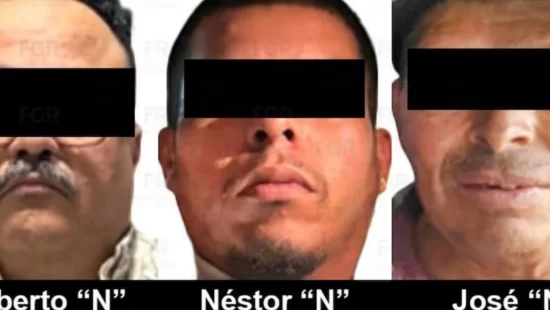
On Friday, former magistrate Celso Gamboa Sánchez and alleged trafficker Edwin López Vega were flown from San José to Texas under heavy security. Both men now face federal charges tied to an international cocaine trafficking network targeting the U.S. market.
The operation, coordinated between Costa Rican authorities and U.S. agencies, marks the first time the country has extradited its own nationals following a 2025 constitutional reform. That reform—approved by the Legislative Assembly of Costa Rica—lifted a long-standing ban that had protected citizens from facing justice abroad, even in major transnational crimes.
“This is a strong message,” said Attorney General Carlo Díaz, who argued the change closes a loophole that allowed criminal actors to exploit nationality as a shield. “That protection no longer exists.”
A Case That Shook the System
Gamboa’s extradition carries particular weight. Once a powerful figure within Costa Rica’s judiciary—including roles as security minister and Supreme Court magistrate—his fall underscores growing concerns about corruption intersecting with organized crime across the region.
U.S. prosecutors allege Gamboa used his legal expertise and connections to facilitate drug shipments north. López, described by authorities as part of the same network, faces similar conspiracy charges.
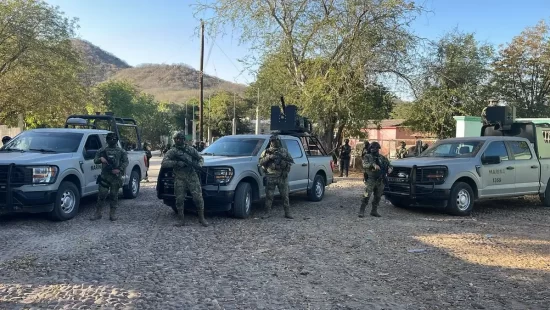
Both men were transferred from La Reforma prison to Juan Santamaría International Airport in a tightly controlled convoy involving tactical police units. They were later handed over to the United States Marshals Service, which now has full custody.
Why This Matters Beyond Costa Rica
For decades, Costa Rica was seen as one of the most stable countries in Latin America. But rising violence tied to drug trafficking has reshaped that perception. Its geographic position—between South American cocaine producers and U.S. consumers—has made it a strategic corridor for organized crime.
Experts say the extradition policy shift reflects growing regional pressure to strengthen international cooperation.
According to data from the United Nations Office on Drugs and Crime, trafficking routes through Central America have expanded significantly over the past decade, increasing the burden on smaller nations to respond.
“This is not just a legal reform—it’s a geopolitical signal,” regional security analysts note. “Countries can no longer tackle transnational crime in isolation.”
A New Era of Accountability
For Latino audiences in the United States, the case highlights a deeper reality: the fight against organized crime is increasingly borderless. Legal decisions made in countries like Costa Rica now have direct implications for U.S. courts, immigration policy debates, and regional security.
The extradition also raises broader questions about justice, sovereignty, and due process. While Costa Rica will continue to provide consular support, its role in the legal proceedings is now limited.
What’s clear is that this moment sets a precedent.
By extraditing a former judge, Costa Rica is signaling that no position—no matter how powerful—is beyond scrutiny. And in a region grappling with the reach of organized crime, that message may resonate far beyond its borders.