The arrest of a nonprofit executive deepens scrutiny of how public homelessness funds are monitored — and who pays the price when oversight fails.
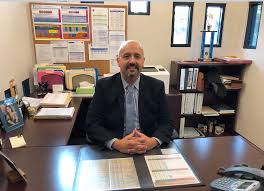
The federal arrest of a Los Angeles nonprofit executive accused of stealing millions from programs meant to serve unhoused residents has reignited a painful question across the city: who is really being protected when public dollars meant for the most vulnerable are misused? On January 23, 2026, federal authorities charged Alexander Soofer, 42, with wire fraud for allegedly orchestrating a $23 million scheme tied to homelessness services — a case that strikes at the heart of public trust in a system already under strain.
According to federal prosecutors, Soofer served as executive director of Abundant Blessings, a Hyde Park–based nonprofit contracted by the Los Angeles Homeless Services Authority (LAHSA). Between 2018 and 2025, investigators allege Soofer submitted fabricated bank statements and falsified invoices to secure more than $23 million in public funds.
Prosecutors say at least $10 million of that money was diverted for personal use, including a $7 million home in Westwood, a $125,000 Range Rover, a vacation property in Greece, private school tuition, luxury shopping, and private jet travel. The allegations were outlined in court filings reviewed by The Los Angeles Times and NBC Los Angeles.
While money flowed upward, conditions at service sites reportedly collapsed. During inspections, authorities say residents expected to receive housing, meals, and care were instead fed basic items like ramen noodles and breakfast bars. Hundreds of unhoused individuals were allegedly shortchanged — a detail that has drawn sharp reaction from housing advocates.
“This is exactly what happens when accountability fails,” homelessness policy researchers at UCLA’s Luskin School of Public Affairs have previously warned, noting that rapid funding expansion without oversight creates opportunities for abuse.
Why This Case Hits Latino Communities Hard
Latinos represent a growing share of California’s unhoused population, particularly among families, according to data from the U.S. Department of Housing and Urban Development. When public funds are misused, advocates say communities already facing housing insecurity, language barriers, and limited access to services bear the heaviest consequences.
Community leaders stress that nonprofit fraud cases like this risk undermining public support for homelessness funding at a time when need continues to rise.
Soofer now faces federal wire fraud charges alongside 11 state felony counts, including conflict of interest, forgery, and offering false evidence. He has not publicly commented on the allegations.
Beyond one man’s fate, the case is intensifying calls for stronger oversight of homelessness contracts — and for safeguards that ensure public money reaches the people it was meant to serve.
A $23 Million Betrayal: Federal Charges Rock L.A.’s Homeless Services System