Renewal delays and paperwork problems are disrupting healthcare access across California, but patients in Los Angeles still have options for prescriptions, clinics, and emergency care.
Thousands of Californians are continuing to experience Medi-Cal renewal problems in 2026 as eligibility reviews, paperwork delays, and policy changes disrupt healthcare access across the state. For many low-income families, seniors, immigrants, and patients with chronic illnesses, losing coverage can mean missed medications, delayed doctor visits, and growing medical debt.
The issue is especially significant in California because Medi-Cal covers more than one-third of the state’s population, including aproximately 7.9 millions of Latino residents who rely on the program for primary care, prescriptions, pregnancy care, and specialist treatment. In Los Angeles County, where many workers are employed in jobs without employer-sponsored insurance, even a short coverage interruption can quickly become a financial and health emergency.
Many people losing coverage are still eligible. The problem is often procedural. Missed renewal deadlines, outdated mailing addresses, incomplete paperwork, or confusion about eligibility rules are causing otherwise qualified residents to fall out of the system.
Why Medi-Cal Coverage Disruptions Are Happening
California resumed full Medi-Cal eligibility reviews after pandemic-era protections ended, triggering a large statewide renewal process known as “redetermination.”
Advocates and healthcare researchers say Latino households have faced disproportionate risks during these reviews because of language barriers, housing instability, and confusion surrounding renewal notices.
Several additional factors are contributing to disruptions:
- Renewal packets mailed to old addresses
- Delays processing paperwork
- Fear and confusion related to immigration policies
- New work requirement debates and federal policy uncertainty
- Limited internet access for online renewals
- Long county assistance wait times
Research from the UCLA Latino Policy and Politics Institute has found that Latino workers are heavily represented in industries like construction, hospitality, agriculture, and food service where employer healthcare coverage is uncommon. That leaves Medi-Cal as the primary source of insurance for many families.
How to Check Your Medi-Cal Coverage Status
The fastest way to check your status is through California’s BenefitsCal system.
You can check your coverage in four ways:
Online
Log into your BenefitsCal account to check:
- Renewal deadlines
- Requested documents
- Eligibility notices
- Share-of-cost details
- Active coverage status
By Phone
Los Angeles County residents can call the Department of Public Social Services at:
(866) 613-3777
In Person
Visit your nearest county DPSS office for face-to-face assistance. Find your nearest location here.
By Mail
Watch for a yellow renewal envelope. Missing the deadline listed in that packet can cause coverage interruptions.
Step-by-Step: How to Renew Medi-Cal in California
Step 1: Gather your documents
You may need:
- Proof of income
- Identification
- Proof of California residency
- Immigration documentation if applicable
- Household information
Step 2: Complete the renewal
You can renew:
- Online through BenefitsCal
- By phone with county workers
- By mailing your forms
- In person at county offices
Step 3: Respond quickly to notices
Even minor delays can trigger temporary termination notices.
Step 4: Keep copies of everything
Save screenshots, confirmation numbers, and copies of mailed paperwork.
What to Do If You Already Lost Medi-Cal Coverage
If your Medi-Cal ended recently, you may still qualify for reinstatement.
California allows many residents to restore coverage if they submit missing information quickly. In some cases, benefits can restart retroactively.
Important steps to take immediately:
- Call your county office and ask why coverage ended
- Request a fair hearing if you believe the decision was incorrect
- Submit missing paperwork immediately
- Ask whether your case qualifies for expedited review
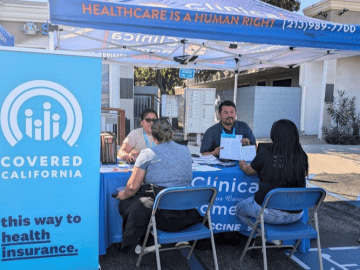
- Check if you qualify for Covered California subsidies
Losing Medi-Cal also triggers a Special Enrollment Period through Covered California, allowing residents to sign up for subsidized private insurance outside the normal enrollment window.
Where to Get Healthcare During a Coverage Gap in Los Angeles
Even without insurance, patients in Los Angeles still have healthcare options.
Free and Low-Cost Clinics in Los Angeles

Community Health Centers and FQHCs
Federally Qualified Health Centers provide:
- Primary care
- Pediatric services
- Mental health support
- Dental care
- Prescription assistance
Fees are typically based on income through sliding-scale payment systems.
Los Angeles County Public Health Clinics
LA County operates clinics offering:
- Vaccinations
- STI testing
- Tuberculosis treatment
- Preventive care
- Some urgent medical services
Facilities include:
- Central Health Center in Los Angeles
- Pomona Health Center
- South Valley Health Center
Saban Community Clinic
This nonprofit Los Angeles clinic provides low-cost and transitional care for uninsured patients, including help managing chronic conditions like diabetes and high blood pressure.
Key Takeaways for California Families
If you lose Medi-Cal:
- Check BenefitsCal immediately
- Do not ignore renewal notices
- Call your county office quickly
- Ask about reinstatement options
- Use free and low-cost clinics during gaps
- Explore Covered California subsidies
If you still have Medi-Cal:
- Update your address immediately
- Open all county mail
- Respond to requests before deadlines
- Save copies of all documents
Why This Matters for California Families
Healthcare coverage disruptions do not affect all communities equally. Latino households are more likely to work in industries without employer health insurance and more likely to depend on Medi-Cal for family healthcare access.
In Los Angeles County, where housing costs and inflation continue straining household budgets, losing healthcare coverage can force families to delay treatment, skip prescriptions, or rely on emergency rooms for basic care.
That makes healthcare navigation and renewal guidance increasingly important community service journalism in California.
California officials continue adjusting Medi-Cal renewal systems as counties work through large backlogs and eligibility reviews. Healthcare advocates are pushing for simplified renewals, stronger language access, and expanded outreach to prevent eligible residents from losing coverage unnecessarily.
For now, families should treat every Medi-Cal notice as urgent and act quickly if coverage changes appear in their account.