Los Angeles homelessness Inside Safe program reveals deep gaps between temporary shelter and permanent housing, with Latino communities increasingly affected by rising housing instability.

Los Angeles has spent more than $300 million trying to bring people off the streets. But new data shows how fragile that progress can be.
A growing share of participants in the city’s flagship homelessness program, Inside Safe, are falling back into homelessness. According to data from the Los Angeles Homeless Services Authority, roughly 40 percent of people placed in temporary shelter have returned to the streets.
The numbers reveal a deeper truth about the housing crisis. Moving people indoors is only the first step. Keeping them housed is far more complex.
Since launching in 2022 under Karen Bass, Inside Safe has moved about 5,800 people from encampments into hotels and motels. The program was designed as a short bridge, ideally transitioning participants into permanent housing within a few months.
That timeline has not held.
LAHSA data shows the average stay has stretched to nearly a year. At the same time, about 2,300 participants had returned to homelessness by the end of 2025. Some left voluntarily. Others were removed after violating program rules. Many simply disappeared from the system.
For housing experts, the pattern is not surprising.
“Temporary shelter without a clear path to permanent housing creates churn,” said Gary Blasi, a longtime researcher on homelessness.
Inside Safe is structured around strict guidelines. Missing curfew, hosting unauthorized visitors, or substance use can lead to removal.
Service providers say those rules are meant to maintain safety. But for people navigating trauma, addiction, or mental health conditions, they can become barriers.
Organizations working within the program report that a majority of participants face serious behavioral health challenges. Without long-term support, stabilization inside a motel room is difficult to sustain.
A crisis hitting Latino communities at scale
The impact is especially visible among Latino residents. LAHSA data shows Latinos account for roughly 43% to 46% of the unhoused population in Los Angeles County, the largest share of any group.
That figure closely reflects the region’s overall demographics, but experts say it signals growing economic pressure rather than parity. Rising rents, wage stagnation in essential industries, and limited access to affordable housing are pushing more Latino families to the edge.
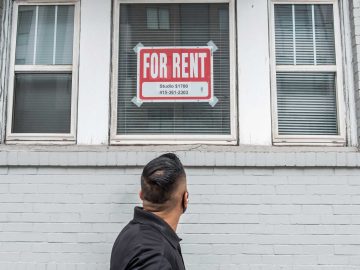
Unlike other populations, Latino homelessness is often less visible. It is more likely to take the form of overcrowded housing, couch surfing, or sudden displacement, meaning many families cycle in and out of homelessness before ever appearing in official counts.
This dynamic helps explain why programs like Inside Safe face high return rates. For many Latino households, the challenge is not just leaving the street. It is staying housed.
Despite the setbacks, the program has produced measurable gains.
Data shows that about one in four participants has moved into permanent housing. Two years ago, that number was closer to 15 percent. Overall, more than half of participants remain sheltered in some form.
City officials also point to a decline in unsheltered homelessness and a reduction in deaths among unhoused residents.
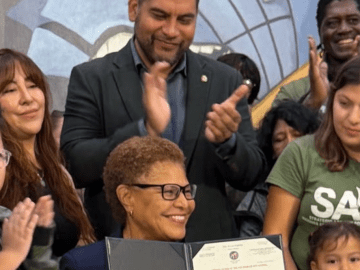
For Bass, the argument is clear. Temporary housing saves lives.
The challenge now is not whether to act, but how to scale what works.
Experts point to three priorities: faster development of affordable housing, expanded mental health and addiction services, and more flexible program models that reflect real-life conditions.
Los Angeles has proven it can move people off the streets.
The harder question remains. Can it keep them housed?
HUD Mixed-Status Housing Rule Could Displace Thousands of Latinos in Los Angeles