Federal data reveals a sharp shift from border enforcement to interior detention, with growing impact on Latino communities in California
At first glance, the latest Department of Homeland Security (DHS) data tells a story many policymakers have been eager to highlight: border encounters are down. Early figures from fiscal year 2026 show historically low numbers of apprehensions at the Southwest border, particularly during the final months of 2025.
But a deeper look at the same federal data reveals a parallel trend that is drawing alarm from immigration advocates, legal experts, and Latino communities across California: immigration detention and enforcement inside the United States are expanding at a pace not seen before.
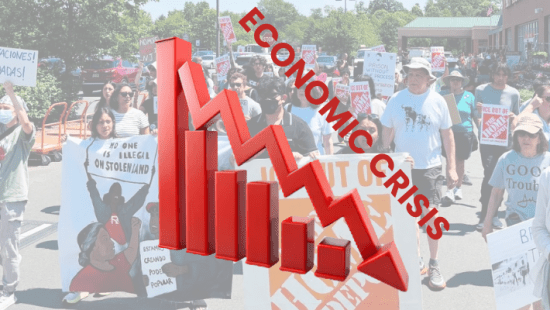
According to internal DHS figures reported by CBS News, Immigration and Customs Enforcement (ICE) was holding approximately 73,000 people in detention as of January 2026—the highest detainee population ever recorded. That number represents a dramatic shift away from border enforcement toward interior enforcement, a strategy with direct consequences for families, workers, and local economies in cities like Los Angeles.
DHS statistics published through its Office of Homeland Security Statistics and Data.gov show that encounters at the U.S.–Mexico border fell sharply at the start of FY2026 (October–December 2025). Officials have attributed the decline to a mix of policy changes, seasonal trends, and international migration dynamics.
At the same time, ICE enforcement capacity has grown substantially. DHS announced that its ICE workforce has more than doubled, expanding from roughly 10,000 officers to over 22,000 agents, a 120% increase fueled by aggressive recruitment and funding increases.
“This data confirms what we’re seeing on the ground,” said Doris Meissner, former commissioner of the Immigration and Naturalization Service, in prior analysis cited by migration policy outlets. “Lower border numbers do not automatically translate into less enforcement overall.”
For Latino communities in Los Angeles and across California, the shift matters. While fewer people may be crossing the border, more people already living and working in the U.S. are being detained, often far from the border itself.
Public DHS datasets show millions of enforcement encounters nationwide in recent years, alongside over two million removals during 2025, according to aggregated federal statistics. Immigration attorneys warn that increased manpower combined with expanded data tools—such as DHS purchases of commercial cell phone location data—creates a broader enforcement net.
“The scale of surveillance and detention has changed,” said legal scholars quoted by The Marshall Project and other investigative outlets. “This isn’t just about the border anymore.”
DHS now publishes vast amounts of immigration data online, from arrests and removals to workforce size and operational metrics. While transparency is a step forward, advocates argue data alone does not answer deeper questions about civil rights, due process, and long-term community impact.
For Latino families in California—many of whom have lived through multiple enforcement cycles—the message is familiar: enforcement may shift locations, but its human consequences remain.
Border crossings may be down. Detention is not. And for communities far from the border, that distinction makes all the difference.