From Minneapolis to Chicago and upstate New York, viral footage is reshaping how communities confront immigration enforcement and state violence.
While still waking up on the morning of Saturday, January 24, in Chicago, Ava Orrantia was scrolling through Instagram without paying much attention, until a video impossible to ignore appeared on her feed.
“It was surreal because first I noticed how recently it had been posted, barely 40 minutes ago. And then, in the video, you hear the voice of the person recording saying, ‘No way, he’s just been killed. He’s dead. He’s dead.’ And that was exactly what I was feeling. I couldn’t believe what had just happened right before my eyes,” this 20-year-old college student recounts over the phone.
“Right before my eyes” has become, in recent days, a phrase repeated in opinion columns and debate panels, but also in conversations among friends and, according to local media reports, even in debates at the White House. The immediate viral spread of videos recorded by witnesses to the murders of Alex Pretti and Renee Good in Minneapolis last month turned millions of people into direct observers, preventing the government from establishing its narrative. This is well known to the thousands of volunteers who have organized across the country to monitor their communities and protect their neighbors from the indiscriminate raids by masked immigration agents patrolling the streets, primarily in cities governed by Democrats.
In their community training sessions, they learn that when they see agents from Immigration and Customs Enforcement (ICE) or other federal agencies in the midst of an immigration operation, they should blow their whistles or horns to alert others to their presence; but also that they should take out their cell phones and record. It’s a first line of defense: the cameras deter agents from taking more drastic or violent actions. But, in the worst-case scenario, they provide irrefutable evidence of an abuse of power or a crime.
It’s the first lesson Keela Grimmette has learned, one of those volunteers who have stepped forward over the past year. At 41, in Lake Placid, in upstate New York, she has joined with other residents to support the immigrant community, which is key to sustaining the tourism that sustains the town known for hosting the 1980 Winter Olympics. “We’ve trained time and time again to record. That’s our first and most important action: to bear witness to what’s happening,” Grimmette explains.
The impact of the numerous videos of the Pretti and Good murders, she says, has vindicated the activists. “We’re seeing that if there’s no video footage, the stories are being distorted. Even when there is video, they try. So it’s crucial. It’s also unique because it’s reaching the devices everyone carries in their pockets. That wasn’t the case in the ’60s, during the civil rights movement,” reflects this mother of three.
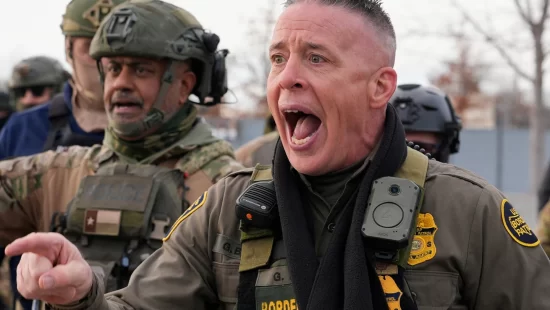
As a result of this evident resistance to the Administration’s line, the Trump administration has softened its rhetoric and given some signs of easing tensions. The removal of Gregory Bovino, the hardliner in the immigration apparatus, and the arrival of the more institutional, though equally radical, border czar, Tom Homan, was a first step. The suspension of the two agents who shot Pretti multiple times is a second gesture to appease Minneapolis and the rest of the country. Much remains uncertain, however, such as the continued presence of some 3,000 federal agents or the ratification or modification of the most aggressive and violent methods used by these officers in enforcing immigration policy.