As GLP-1 medications like Ozempic and Mounjaro become common in American homes, poison control centers warn of a quiet but dangerous rise in accidental pediatric exposures.
The refrigerator hums. A familiar pen sits inside. For many Latino families juggling diabetes, weight management, and rising healthcare costs, GLP-1 medications have become part of daily life. But doctors and poison control officials say that same convenience is creating an unexpected and growing risk for children.
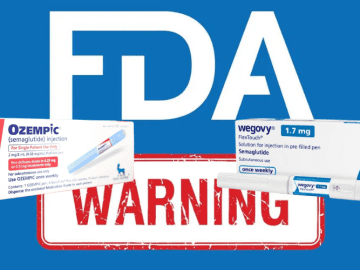
Across the U.S., poison control centers are reporting an increase in accidental overdoses involving GLP-1 drugs such as Ozempic, Wegovy, and Mounjaro. While adults remain the primary users, experts say pediatric exposures—often involving young children and teens—are climbing, sometimes with life-threatening consequences.
According to data cited by America’s Poison Centers, calls related to GLP-1 medications have surged nationwide over the past two years as prescriptions skyrocketed. Most pediatric cases are unintentional. Children, especially those under 10, may mimic adult behavior or mistake injectable pens for medicine meant to relieve stomach pain or nausea.
One widely reported case involved a 7-year-old girl in Indiana who was hospitalized in December 2024 after injecting herself with roughly 60% of her mother’s Mounjaro pen. Physicians told CBS News that the child experienced severe vomiting, dehydration, and abdominal pain that lasted nearly a week—symptoms consistent with acute GLP-1 overdose.
“These medications are powerful,” a toxicologist quoted by STAT News explained, noting that children’s bodies process the drugs differently than adults. Even partial doses can trigger prolonged gastrointestinal distress, dangerously low blood sugar, or electrolyte imbalances requiring hospitalization.
For Latino households, the risk can be amplified by crowded living spaces, multigenerational caregiving, and language barriers that complicate medication counseling. Many families rely on shared refrigerators and may not receive clear safety instructions in Spanish or culturally relevant contexts.
Medical experts are urging families to treat GLP-1 pens like any other high-risk medication: store them locked, out of sight, and never assume a child “knows better.” The pens should not be left loose in refrigerators or purses, and used needles should be disposed of immediately in approved containers.
If a child may have been exposed to a GLP-1 medication, caregivers should act fast. Poison Help (1-800-222-1222) offers free, confidential guidance in English and Spanish, 24 hours a day.
As these drugs reshape adult healthcare, physicians warn they are also reshaping the safety landscape at home. Awareness—especially within communities already navigating health inequities—may be the most effective protection of all.

Weight Regain After Stopping GLP-1 Drugs: What Ozempic’s Long-Term Science Now Shows