The El Mencho crackdown in Mexico signals a decisive moment for public safety, economic stability, and rule of law — with direct implications for U.S. Latino families and cross-border communities.
Yes, we’re fine. “Nothing’s happening” (No pasa nada, usted tranquilo), people say over and over. “It got intense yesterday,” a man tells me at the supermarket, as if he’s narrating the latest episode of a telenovela. Later, a woman shrugs: “Well, they were fighting.” Some ladies laugh, incredulously; others cross themselves, as if warding off evil spirits.
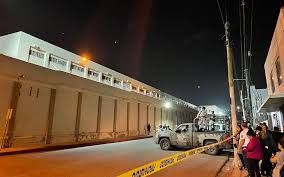
If you didn’t understand what happened in Mexico last Sunday, you don’t really know the country—or its people. And without a doubt, many, whether for mischief or sympathy, flooded social media with messages and videos portraying Mexico as if it were Iraq under U.S. invasion.
We Mexicans live in a kind of vicious cycle, where history seems to repeat itself. We cheer for heroes from the independence era, celebrate figures like Zapata and Villa during the Revolution, and have even romanticized more recent times marked by drug trafficking. Violence has become so woven into our lives that many of us see it as part of our folklore. Unlike other countries, where violence is just as bad—or worse, as in the United States—we don’t hide it. We display it. We talk about it, sing it in corridos, dance to it, and, in one way or another, live alongside it.
This isn’t about saying right or wrong—morality has little place here. Violence simply exists, and alongside it, a set of behaviors coexist in our society.
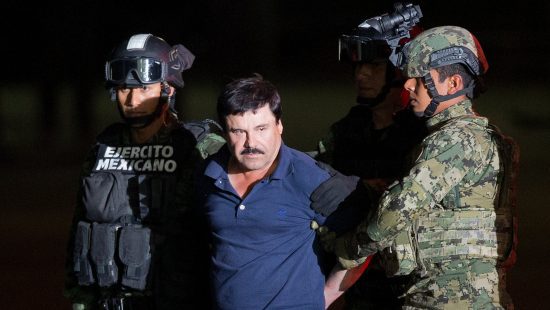
The violence that erupted on Sunday shocked us, but it didn’t scare us. We knew that taking on El Mencho wasn’t something trivial. Over the years, his criminal group, the CJNG, became the most ruthless in recent history. Everyone knows they exist, but few dare to speak their name aloud. They are one of the most important criminal groups in modern Mexico; the fall of their leader was never going to be minor.
There was bound to be a violent reaction against the state, and as we Mexicans say, we knew we had to face them if we wanted to strike these criminals who have caused so much harm to our society.
El Mencho has now passed into history. He is the mythical figure who will be sung about for years to come, surpassing even legendary traffickers like El Chapo or El Mayo.
What was surprising, though, was the reaction of foreigners who live—or have lived—here. If we had checked social media on Saturday, we would have found that group, part of the gentrification trend, raving about Mexico and Mexicans. We would have seen their selfies in trendy spots, enjoying moments most Mexicans could only dream of. “I love how Mexicans are,” is a phrase foreigners repeat again and again. “They’re so kind, so good-hearted. The country is wonderful—it has everything: food, museums, beaches…” And this group has built up that phenomenon of gentrification, which has caused so much harm to many places across the country.
Here’s a tip for them: If you come to live in this country, you will be welcomed with open arms—that is the true nature of Mexicans. We don’t turn our backs; “my house is your house,” we say, genuinely.
But if you come to sample what Mexico has to offer, you must take it all in, like a buffet. Mexico, like every country, has problems. We’ve built an unbalanced, unfair world—and that’s part of our reality.
Yes, the offensive against El Mencho was fierce, but it will bring many positive changes to this country that many of you now call home. It proved that no one is above the law. It showed that those who break Mexican law will be punished, and that greater protection will be given to the thousands who have been victims of the narcos. If this is now your country, gentrifiers should be happy. If yesterday was beautiful, with a noble and hospitable people, tomorrow will be even better.
“Nothing’s happening” reflects the Mexican spirit: enduring, devout, and noble.
El Mencho Threatened Peso Pluma—Is He Safe Returning to Mexico After the Capo’s Murder?