digital nomads Mexico World Cup 2026 is transforming housing, local economies, and urban life, raising concerns about affordability and inequality in major cities.

The countdown to the 2026 FIFA World Cup is reshaping Mexico’s tourism and social landscape. Beyond the expected arrival of hundreds of thousands of fans and visitors for the event, the country is undergoing a quiet transformation: the massive arrival of digital nomads who, anticipating the peak demand, are choosing to settle months before the World Cup.
This phenomenon is driving changes in the real estate market, the local economy, and the technological infrastructure of several key cities.
Mexico has seen a massive surge in digital nomads post-COVID, with an estimated 1.6 million Americans living in the country as of mid-2025. Mexico City specifically captured roughly 14% of global digital nomads between 2020 and 2023, driven by remote work, proximity to the US, and affordability.
Mexico is not only preparing to receive thousands of conventional tourists, but is also consolidating its position as a temporary hub for remote professionals who see the World Cup as an opportunity to combine work and cultural experience.
This new traveler profile is changing consumption patterns, urban life, and digital security strategies in a context of hyperconnectivity and increasing risks.
Who gets to live in Mexico City?
Walking around the leafy La Condesa neighborhood in Mexico City, Maria Moreno Carranco is worried that an influx of digital nomads is driving up prices—and could eventually force her out.
“The last five years, the change has been really astonishing,” said Moreno Carranco, an urban studies professor who has lived in La Condesa for more than 20 years.
“Everything is crazy expensive for us with Mexican salaries. And the rents are just skyrocketing,” she told The Current.
Critics say that deal helped fuel rising rents. Data from September shows that La Condesa saw a 17 percent increase from April 2023 to April 2025, while the neighboring borough of Miguel Hidalgo experienced a 98 percent rise during the same period.
The global trend toward remote work, accelerated by the pandemic and normalized by companies of all sizes, has placed Mexico in a privileged position. According to studies by WeWork and PageGroup, more than 60% of professionals aspire to become digital nomads, and a growing proportion already operate under this model.
The country stands out for its time zone compatible with the United States, affordable cost of living, and vibrant cultural scene.
Cities like Mexico City, Guadalajara, and Mérida concentrate the majority of these new temporary residents, thanks to their connectivity, digital infrastructure, and expanding creative communities.
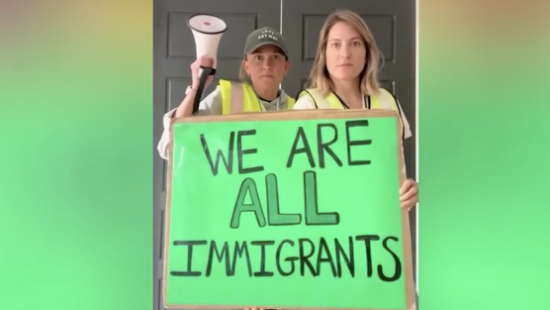
Gentrification in Mexico Pushes Out U.S. Retirees as Remote Workers Move In