Clínica Romero’s new Behavioral Health Center, funded by a $5 million state grant, will provide integrated mental health services for underserved communities in Westlake, Pico-Union, and MacArthur Park.

A major state investment in community mental health is coming to the heart of Los Angeles. Clínica Romero behavioral health center Los Angeles grant has secured $5 million in state funding to advance the construction of a new Behavioral Health Center near MacArthur Park—an area where health providers report a rising demand for culturally responsive mental health services in recent years.
The funding comes through California’s Behavioral Health Continuum Infrastructure Program (BHCIP) administered by the California Department of Health Care Services and backed by initiatives from Gavin Newsom to expand treatment capacity across the state.
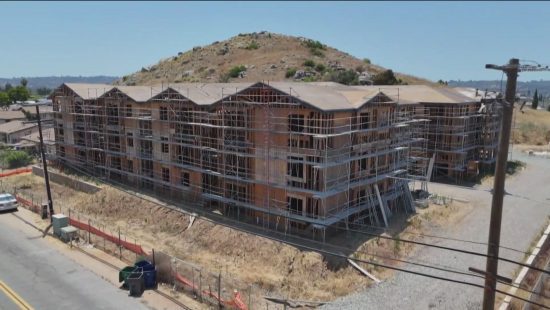
The future center, planned at 2969 Wilshire Boulevard, is expected to provide more than 38,000 behavioral health visits each year, offering therapy, counseling, and integrated care for residents of the Westlake, Pico-Union, and MacArthur Park neighborhoods.
A Growing Mental Health Gap
Mental health providers say access to care remains uneven across Los Angeles, particularly in neighborhoods where many residents rely on community clinics.
According to the California Health and Human Services Agency, Latinos represent nearly half of California’s Medi-Cal population, yet they are less likely to receive consistent mental health treatment due to language barriers, stigma, insurance complexity, and a shortage of local providers.
“For too long, our communities have been suffering in silence, carrying the weight of trauma without a place to turn for support,” said Carlos Vaquerano, president and CEO of Clínica Monseñor Oscar A. Romero.
Public health experts say untreated anxiety, trauma, and depression often worsen when patients cannot access culturally competent care early.
The National Institute of Mental Health reports that more than one in five U.S. adults experience mental illness each year, yet community-based treatment infrastructure still lags behind demand in many urban areas.
Building Community-Based Treatment
The new grant builds on earlier state support that helped the nonprofit clinic acquire the Wilshire Boulevard property for the future facility. That effort was championed by former California Assemblymember Wendy Carrillo, who advocated for expanding mental health infrastructure in neighborhoods with limited resources.
The center will focus on integrated behavioral health care, combining mental health counseling with primary care, substance-use treatment, and social support services.
City leaders say the project reflects a broader shift toward community-based treatment rather than relying solely on emergency rooms or crisis services.
“The future Clínica Romero Behavioral Health Center will play an important role in ensuring that families in historically underserved communities can receive the care they deserve, close to home.” said Karen Bass.
A Statewide Push to Expand Treatment
The grant is part of a much larger statewide effort. In March 2026, California announced $1.18 billion in new funding through the BHCIP program, financed by Proposition 1, a voter-approved measure designed to strengthen the state’s mental health system.
According to the California State Government, the initiative will fund 66 projects across 130 facilities, creating more than 2,500 treatment beds and 4,200 outpatient care slots statewide.
Health policy experts say the strategy aims to reduce pressure on hospitals, address homelessness linked to untreated mental illness, and provide earlier intervention for vulnerable populations.
For community clinics like Clínica Monseñor Oscar A. Romero, the investment signals growing recognition that local health providers are often the first—and sometimes only—place residents seek help.
As planning moves forward, clinic leaders say the goal is simple: ensure that people facing mental health challenges can receive care in a place that understands their language, culture, and lived experiences.
Additional details about the Behavioral Health Center’s construction timeline will be announced as development progresses.
Newsom Expands CARE Court Push With $291M for Mental Health Housing