(Noah Berger/AP Photo)
California state of emergency unlocks disaster aid as atmospheric river storms hit Latino families and small businesses hardest
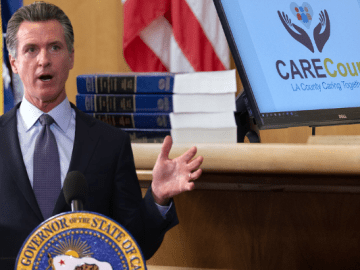
California Gov. Gavin Newsom has declared a state of emergency in six counties after powerful storms triggered flooding, mudslides, and hazardous conditions across large swaths of the state. The declaration accelerates emergency response efforts and opens the door to state and federal aid as officials assess damage that continues to unfold.
The move comes as California once again confronts the destructive force of atmospheric river storms—weather systems capable of dumping months’ worth of rain in just days. These events have become more frequent and intense in recent years, overwhelming drainage systems, destabilizing hillsides, shutting down roads, and disrupting everyday life for millions.
What a State of Emergency Actually Does
Emergency declarations are more than a formal announcement. They give state agencies expanded authority to respond quickly, including:
-
Fast-tracking debris removal and infrastructure repairs
-
Deploying emergency resources and personnel, including the National Guard if needed
-
Suspending certain regulations to speed up recovery work
-
Requesting federal disaster assistance, once damage assessments are complete
For residents, this can translate into temporary housing assistance, financial relief, and support for repairs—critical lifelines in the aftermath of flooding and landslides.
Latino Communities Face Compounding Impacts
Latino families are deeply embedded in California’s hardest-hit local economies—construction, agriculture, hospitality, logistics, and small business ownership. When flooding shuts down roads or mudslides close worksites, the damage extends far beyond physical structures.
A closed job site can mean lost wages. A flooded storefront can mean ruined inventory and unpaid bills. For families already managing tight budgets, even short disruptions can quickly become long-term financial stress.
“These disasters don’t just hit buildings,” said one community advocate involved in emergency response efforts. “They hit paychecks, stability, and families’ sense of security.”
Aid May Be Available Regardless of Immigration Status
Importantly, some forms of disaster assistance—especially emergency shelter, food aid, and local relief programs—may be available regardless of immigration status, depending on the program. Community organizations and local nonprofits often play a critical role in helping families understand what help they qualify for and how to apply.
Advocates urge residents to document damage, save receipts, and seek guidance from trusted local organizations as recovery programs are announced.
What Comes Next
In the days ahead, state and local officials are expected to:
-
Conduct damage assessments to determine eligibility for federal aid
-
Continue clearing debris and stabilizing vulnerable hillsides
-
Issue updated guidance on travel safety, school schedules, and workplace conditions
-
Share details about assistance for renters, homeowners, farmworkers, and small businesses
Residents in affected counties should closely monitor local emergency alerts, county websites, and official social media channels for evacuation notices, shelter locations, and application timelines.
Why Staying Informed Matters Now
California’s emergency declaration is ultimately about speed and protection—getting help where it’s needed before damage worsens. For Latino families and small business owners, staying informed early can reduce long-term disruption later.
This is the moment to prioritize safety, document losses, and prepare to access recovery resources as they become available. In an era of increasingly extreme weather, understanding how emergency systems work is no longer optional—it’s essential.
Hundreds of weather forecasters fired in latest wave of DOGE cuts