The Puerto Rican superstar becomes the first solo Spanish-language headliner in Super Bowl history, redefining power, profit, and representation on the NFL’s biggest stage.
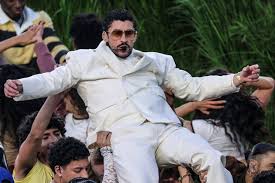
Bad Bunny will headline the Super Bowl LX halftime show on February 8, 2026 — without a paycheck from the NFL. Like every performer before him, the Puerto Rican superstar will receive only the union-mandated minimum required by SAG-AFTRA, while the league and sponsor Apple Music cover production costs that typically range between $10 million and $20 million.
That absence of a salary is not a slight. It is the business model — and for an artist of Bad Bunny’s scale, the exposure is worth far more.
According to SAG-AFTRA guidelines, halftime performers receive roughly $1,200 per rehearsal or performance day, not an appearance fee. The real compensation arrives through reach. The Super Bowl regularly draws more than 100 million viewers globally, turning a 13-minute set into the most valuable promotional stage in entertainment.
Industry data backs that up. After headlining in 2025, Kendrick Lamar saw a 430% spike in Spotify streams in the days following the game. Analysts estimate that Super Bowl exposure can generate millions in indirect revenue through streaming, catalog sales, and tour demand within a single week.
For Bad Bunny, that impact is amplified. He enters Super Bowl Sunday as one of the most-streamed artists in the world, anchoring his Debí Tirar Más Fotos world tour — and doing so without shifting to English or softening his Puerto Rican identity.
That choice is what makes this halftime show historic.
Bad Bunny is the first solo headliner to lead a Super Bowl halftime set primarily in Spanish. While Latino artists have appeared on the stage before — from Gloria Estefan in the early 1990s to Jennifer Lopez and Shakira’s co-headlined show in 2020 — none have commanded the spotlight alone, on their own linguistic and cultural terms.
His rise reflects a broader shift in American culture and economics. Latinos now make up nearly one in five U.S. residents and wield immense cultural and consumer influence — a reality the NFL can no longer sideline. Spanish-language music is no longer a niche; it is global pop.
Bad Bunny has also used his platform to address issues ranging from Puerto Rico’s political status to ICE raids and displacement. Whether or not politics enters the performance itself, his presence alone signals a recalibration of what — and who — defines the American mainstream.
No paycheck. No translation. No compromise.
That’s the point.