A UCLA public health expert explains why Cyclospora outbreaks are difficult to trace and how foodborne illnesses can affect California’s restaurants, farms, and consumers.
When people begin reporting symptoms of a gastrointestinal illness, the cause is not always immediately clear. For businesses connected to the food supply chain, that uncertainty can create an especially difficult situation: customers may become concerned, sales may decline and reputations may be affected — even before investigators identify the source of an outbreak.
In California, where agriculture, food distribution and restaurants play a major role in the economy, outbreaks of foodborne illness can have consequences far beyond the individuals who become sick. A rise in cases of cyclosporiasis, an intestinal illness caused by the Cyclospora parasite, highlights the challenges of responding to diseases that may not appear immediately after exposure.
“The big increase in cases that we’re seeing is not necessarily related to new infections,” said Dr. Anne Rimoin, professor in the Department of Epidemiology at the UCLA Fielding School of Public Health and holder of the Gordon–Levin Endowed Chair in Infectious Diseases and Public Health. “It’s related to the fact that this is a disease that can take two weeks to show up.”
Why Cyclospora Cases Can Be Difficult to Track
Cyclospora is a microscopic parasite that affects the intestinal system and can cause cyclosporiasis, a gastrointestinal illness with symptoms such as prolonged diarrhea, stomach cramps, nausea, loss of appetite and fatigue.
Unlike some foodborne illnesses that cause symptoms within hours, Cyclospora infections can take days or weeks before symptoms appear. That delay can make it challenging for patients to remember what they ate or where they may have been exposed.
For public health investigators, the timing creates a complex puzzle. A person diagnosed today may have been exposed weeks earlier, meaning the food product, restaurant or location connected to the illness may no longer be obvious.
“The increase we are seeing may reflect infections that occurred earlier,” health experts say, emphasizing that reported case numbers often represent past exposures rather than only recent transmission.
California Businesses Face Economic Pressure During Outbreak Investigations
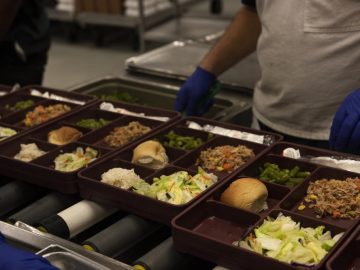
California’s food industry operates through an extensive network of farms, processors, distributors, grocery stores and restaurants. When a foodborne illness outbreak occurs, the effects can spread throughout that network.
Restaurants may experience fewer customers as consumers become cautious about dining out. Grocery stores may see changes in purchasing patterns when customers worry about certain foods. Suppliers may face increased costs as they strengthen testing, sanitation and safety procedures.
For small businesses, even temporary declines in customer traffic can create significant financial challenges. A business linked to an outbreak investigation may need to respond quickly with cleaning procedures, employee training and public communication while waiting for scientific findings.
At the same time, businesses that are not responsible for an outbreak can also experience losses as public concern spreads across an entire industry.
The Challenge of Protecting Public Health Without Creating Unnecessary Harm
Public health investigations require careful analysis before identifying a source. Because Cyclospora infections can have a long incubation period, officials often need to review multiple possibilities, including food histories, supply chains and laboratory evidence.
Experts say accurate information and timely communication are essential. Clear guidance can help consumers make informed decisions while preventing businesses from facing unfair blame before facts are confirmed.
Food safety investigations also provide opportunities to strengthen prevention efforts, including improved sanitation practices, supply chain monitoring and education for workers who handle food.
A Wider Lesson for California’s Food System
The impact of gastrointestinal outbreaks extends beyond illness statistics. It affects workers, business owners, consumers and communities connected through California’s food economy.
The delayed nature of Cyclospora infections shows why foodborne illness response can be complicated. By the time cases appear in public health reports, the events that caused them may have happened weeks earlier.
For California businesses, the challenge is managing the immediate economic effects while maintaining customer confidence. For health officials, the priority remains identifying sources of infection and preventing additional cases.
As investigations continue, experts emphasize that understanding the timing and transmission of illnesses like cyclosporiasis is critical; not only for protecting public health but also for helping businesses navigate the uncertainty that follows an outbreak.