The proposed legislation would reform the H-2A agricultural visa program and address labor shortages, but it would not automatically grant legal status or citizenship to undocumented workers.
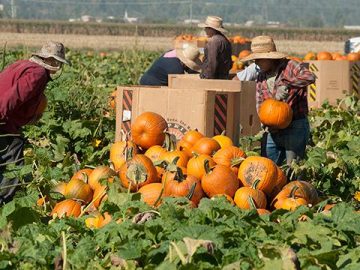
The Securing Agriculture’s Workforce Act has become the center of a national debate over the future of agricultural labor, including its potential impact on farmworkers in California, where agriculture depends heavily on immigrant labor.
The legislation seeks to address agricultural labor shortages by changing the agricultural guest worker system, including reforms to the H-2A visa program. Supporters say the bill could provide farmers with a more reliable workforce while creating more structured employment opportunities for agricultural workers who qualify for legal programs.
For some California farmworkers, the measure could mean greater access to formal employment channels, clearer labor protections, and more stability in industries that depend on seasonal and year-round workers. However, the bill would not provide automatic legal status or a pathway to citizenship for undocumented farmworkers who are already living and working in California.
The proposal has received support from lawmakers representing agricultural communities, including Latino members of Congress such as Rep. Vicente González (D-Texas), who is among the lawmakers backing the legislation. Supporters argue that reforming agricultural labor programs is necessary to address workforce shortages affecting farms across the country.
The bill has also drawn strong opposition from conservative Republicans, including Florida Gov. Ron DeSantis, former Border Patrol commander Gregory Bovino, and members of the House Freedom Caucus. Critics argue that expanding agricultural worker programs could increase immigration levels and conflict with efforts to strengthen border enforcement.
The debate highlights a broader divide over how the United States should address agricultural labor needs: whether to expand legal worker programs to support farmers and workers, or to prioritize stricter immigration controls.
For California’s farmworkers, many of whom are Latino immigrants, the outcome of the debate could determine whether future policies focus only on bringing in new agricultural workers or also address the situation of those who have spent years working in American fields.