State programs are recruiting bilingual high school students to become future teachers as California works to address a shortage affecting dual-language education and English learners.
California is facing a shortage of thousands of bilingual teachers as demand grows for dual-language and bilingual education programs. To address the gap, the state is investing in programs that encourage bilingual high school students to pursue careers in teaching and join the next generation of educators.
The effort is designed to create a long-term pipeline of bilingual teachers who can serve California’s diverse student population, including the state’s large Latino student community.
California’s Bilingual Teacher Shortage
California is estimated to be short approximately 6,000 bilingual teachers as schools expand programs that require educators who can teach in English and another language.
The shortage affects districts across the state, especially those serving large populations of English learners. California has one of the largest English learner student populations in the nation, with many students coming from Spanish-speaking families.
The demand for bilingual teachers has increased as more families choose dual-language programs, where students learn academic content in two languages. These programs serve both English learners and students who want to become bilingual.
Why Bilingual Teachers Are Important for Latino Students
The shortage has a significant impact on many Latino students because Latino students represent a large share of California’s public school enrollment, and many English learners come from Spanish-speaking households.
For students who are developing English skills, bilingual teachers can provide instruction that connects academic learning with students’ existing language abilities. This approach allows students to continue progressing in subjects such as mathematics, science, and history while strengthening their English skills.
Bilingual teachers also play an important role in connecting schools with families. Spanish-speaking parents and guardians may have greater access to school information, academic support, and communication when educators can communicate in their preferred language.
In addition, bilingual education programs can help preserve students’ language skills and expand opportunities for students to become bilingual and biliterate.
High School Students Are Being Recruited as Future Teachers, Not Classroom Teachers
California’s recruitment effort does not mean high school students will replace credentialed teachers or independently teach classrooms.
Instead, the goal is to identify bilingual teenagers who may be interested in education careers and provide them with support as they move toward becoming certified teachers.
The approach is known as a “grow your own” teacher pipeline. School districts recruit students from their own communities and help guide them through the education pathway.
How High School Students Can Enter the Teacher Pipeline
Students interested in becoming bilingual teachers may participate in programs that provide:
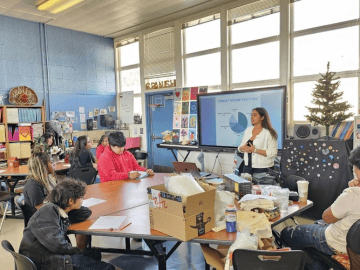
Education career courses in high school.
Mentorship from current teachers.
Classroom observation opportunities.
Dual-enrollment courses through community colleges.
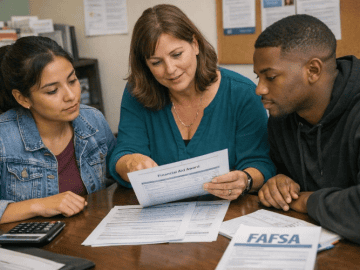
College preparation and financial aid guidance.
Support toward earning a teaching credential.
Programs vary by school district and depend on available partnerships and funding.
The Path From High School Student to Bilingual Teacher
A student who wants to become a bilingual teacher in California generally follows these steps:
Graduate from high school.
Attend college and earn a bachelor’s degree.
Complete a teacher preparation program.
Meet California teacher credential requirements.
Demonstrate proficiency in a second language through approved requirements.
Earn bilingual authorization.
Apply for teaching positions.
The process usually takes several years, but the goal is to create a steady supply of qualified educators for California schools.