Dental care has become the most popular reason older Americans travel to Mexico for medical treatment, according to research from UCLA and healthcare experts who have studied the growing trend of cross-border healthcare. As more retirees and lower-income workers struggle to access affordable dental services in the United States, an increasing number are crossing the border for procedures ranging from routine cleanings to advanced dental implants.
The UCLA study highlights how medical tourism has become an important option for older adults seeking more affordable healthcare. Among the different treatments available across the border, dental services continue to lead in popularity and are expected to keep growing as many older Americans face gaps in dental coverage. Traditional insurance plans often provide limited dental benefits, and Medicare generally does not include routine dental care, leaving many seniors to pay high out-of-pocket costs for necessary treatments.
Tijuana has become one of the leading destinations for Americans seeking affordable dental care because of its proximity to the United States, experienced medical professionals, and lower treatment costs. Experts say dental care remains the strongest driver of cross-border medical travel, particularly among older adults who need major procedures such as dental implants, crowns, and restorative treatments.
After dentistry, other popular treatments among older patients include plastic surgery and bariatric procedures, according to Dr. Fabian Walters, president of the Baja Health Cluster, a Tijuana-based healthcare network connecting patients with more than 200 medical professionals, hospitals, laboratories, and clinics. Walters said approximately 80% of patients served through the network come from the United States.
Medical providers in Tijuana have developed services specifically for older patients, including transportation from the border, assistance for people with limited mobility, and programs designed to make border crossings easier. Unlike traditional healthcare systems that often rely on insurance approvals, many medical tourism patients pay directly for treatment.
“Most patients pay in cash,” Walters said.
For many older Americans, the appeal of medical tourism is not only the lower cost but also the personal attention they receive from doctors. Walters said patients often appreciate having more time to ask questions and build a direct relationship with their healthcare providers.
Dental implants are one of the fastest-growing areas of cross-border dental care. Many older adults who have worn dentures for years or have lost teeth are seeking implants because they offer a more permanent solution. In the United States, a full set of dental implants can cost between $25,000 and $100,000, while similar procedures in Mexico are often available at significantly lower prices.
In Tijuana’s Aviación district, Dr. Sergio Herrera of ProDent specializes in dental implants and treats a large number of American patients. About 80% of his patients are over the age of 50, and roughly two-thirds come from the United States.
“Most are older patients that have already had dentures, or they’re missing teeth or their teeth are starting to crumble,” Herrera said. He explained that cost is the main reason patients seek treatment in Mexico, but many also value knowing the full price before beginning treatment.
“There are many times I’ll say, ‘This is the total,’ and they come back and say, ‘Are there any add-ons?’ ‘No, this is the final price,’” Herrera said.
Herrera’s training reflects the international nature of modern dental care. He earned his Doctor of Dental Surgery degree from the Autonomous University of Baja California, completed additional implant dentistry training in Boston and San Diego, and uses FDA-approved dental materials while following treatment approaches familiar to U.S. patients.
For many older adults living near the border, traveling to Mexico for dental care has become a practical healthcare choice. Patients from communities such as Chula Vista, California, represent a growing group of bilingual and bicultural Americans who feel comfortable receiving treatment in Tijuana.
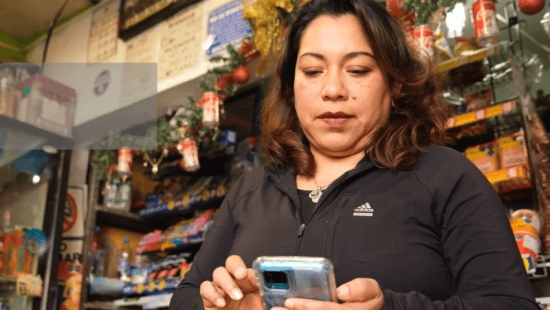
One patient said she receives all of her dental care in Mexico because Medicare does not cover her dental needs. Her cousin, a retired nurse, said she feels confident in the quality of care and the modern clinic environment.
As dental costs continue to rise in the United States and coverage gaps remain, experts expect cross-border dental tourism to continue expanding. For older Americans searching for affordable dental implants and other dental treatments, Mexico — especially border cities like Tijuana — has become an increasingly important healthcare destination.
“What Americans Need to Know Before Traveling to Tijuana for Dental Care”
Valid travel documents
U.S. citizens should bring a valid travel document when crossing the border. For land travel back into the United States, acceptable documents include a U.S. passport, passport card, or certain trusted traveler documents such as SENTRI. A standard driver’s license alone is not considered a sufficient travel document for most border crossings.
For a typical dental visit in Tijuana, many patients cross by foot through the San Ysidro border crossing or drive across. If the visit involves staying beyond the immediate border area or for an extended period, additional Mexican immigration requirements may apply.
Dental appointment confirmation and medical information
Before traveling, patients should schedule a consultation with a Tijuana dental clinic and request a written treatment plan. Most clinics recommend bringing:
Recent dental X-rays, if available
A list of current medications
Medical history information
Identification or passport
Previous dental records
Insurance information, if they want to check possible reimbursement options
Some clinics also provide transportation from the border or assistance with border return programs for patients receiving treatment.
Payment preparation
Most dental tourism patients pay directly because U.S. Medicare and many insurance plans do not cover dental treatment in Mexico. Patients should confirm accepted payment methods before traveling. Many clinics accept cash in U.S. dollars, Mexican pesos, credit cards, or bank transfers.
Choosing a qualified dental provider
Experts recommend researching the dentist’s credentials, experience with the specific procedure needed, sterilization standards, materials used, and whether the clinic provides a detailed cost estimate before treatment. This is especially important for complex procedures such as dental implants, crowns, or full-mouth rehabilitation.
Plan for follow-up visits
One important consideration is that some dental procedures require multiple appointments. Dental implants, for example, may involve several stages over weeks or months. Patients should ask how many visits are required and whether follow-up care can be completed if they return to the United States.
For many older Americans, the process is appealing because Tijuana is close to the U.S. border and offers lower-cost dental treatments, especially implants and restorative dentistry. However, patients should treat it like any international healthcare decision: verify credentials, understand the full cost, and plan for aftercare before beginning treatment.