Precision medicines are helping some breast cancer patients live longer with fewer side effects, but chemotherapy remains an important treatment for many. Here’s what the latest research means.
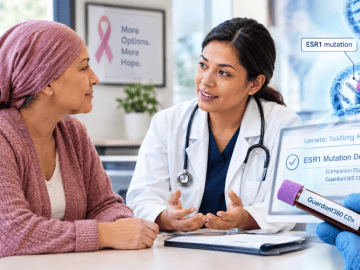
A breast cancer diagnosis often brings one overwhelming question: Will I need chemotherapy?
The answer is becoming more personalized than ever.
Researchers are developing a new generation of treatments that can target cancer cells more precisely than traditional chemotherapy. For some patients, these medicines have improved survival, slowed cancer growth, and reduced some of the side effects commonly associated with chemotherapy. But experts emphasize that chemotherapy has not become obsolete. Instead, doctors are increasingly matching treatments to the biology of each person’s cancer.
For California families, where breast cancer remains one of the most common cancers diagnosed in women, understanding these newer options can help patients have more informed conversations with their oncology team.
For decades, chemotherapy was the standard treatment for many breast cancers because it attacks rapidly growing cells throughout the body.
Today’s approach is different.
Doctors now analyze tumors for specific proteins and genetic mutations before recommending treatment. This strategy, known as precision medicine, helps identify therapies that may work better for certain patients while avoiding unnecessary treatment for others.
Researchers supported by leading cancer centers continue to develop therapies that attack cancer more precisely while preserving more healthy tissue.
Antibody-drug conjugates: “Smart bomb” cancer drugs
One of the biggest advances is a class of medicines called antibody-drug conjugates (ADCs).
These treatments combine a targeted antibody with a powerful chemotherapy drug. Instead of exposing the entire body to chemotherapy, the antibody helps deliver the medication directly to cancer cells that carry specific proteins.
Several ADCs have changed treatment for advanced breast cancer.
Trastuzumab deruxtecan (Enhertu) has improved outcomes for certain HER2-positive and HER2-low breast cancers.
Sacituzumab govitecan (Trodelvy) has shown important benefits for many patients with metastatic triple-negative breast cancer.
Clinical trials have found these medicines can shrink tumors more effectively than standard chemotherapy for eligible patients and often delay cancer progression longer.
Targeted therapies treat the cancer’s genetic makeup
Some breast cancers carry genetic mutations that can be treated with highly specific medications.
For example:
- Patients with inherited BRCA mutations may benefit from PARP inhibitors such as olaparib (Lynparza).
- Some hormone receptor-positive cancers with PIK3CA mutations may respond to newer targeted medicines such as inavolisib (Itovebi).
Rather than attacking all fast-growing cells, these medications interfere with the biological processes that help cancer grow.
Because they target specific abnormalities, many patients experience fewer side effects than with traditional chemotherapy, although targeted therapies can still cause significant adverse effects that require monitoring.
Immunotherapy is helping more patients
Immunotherapy is another major advance.
Instead of directly attacking cancer, these medicines stimulate the body’s immune system to recognize and destroy cancer cells.
For some patients with triple-negative breast cancer, pembrolizumab (Keytruda) combined with chemotherapy has improved survival compared with chemotherapy alone.
Doctors determine whether immunotherapy is appropriate based on tumor characteristics and other clinical factors.
Hormone therapy can delay chemotherapy
For many estrogen receptor-positive (ER+) breast cancers, newer hormone therapies are extending the time before chemotherapy becomes necessary.
One example is elacestrant (Orserdu), an oral medication approved for certain advanced breast cancers after genetic testing identifies eligible patients.
This approach may allow some patients to maintain quality of life longer before needing more aggressive treatment.
Key Takeaways
These newer treatments are not right for everyone.
Treatment depends on:
- The type of breast cancer
- Cancer stage
- Genetic mutations
- Tumor biomarkers
- Previous treatments
- Overall health
For many patients, chemotherapy remains the most effective treatment. In other cases, doctors combine chemotherapy with immunotherapy or targeted drugs to achieve better results.
Why this matters for California families
California is home to nationally recognized cancer centers and research institutions that often provide access to cutting-edge clinical trials and the latest therapies.
For Latino families, understanding these advances is especially important. Hispanic women are more likely to be diagnosed at younger ages than some other groups and may face barriers such as delayed screening, language differences, insurance challenges, or limited access to specialty care. Knowing that treatment options continue to expand may encourage patients to ask about biomarker testing, genetic testing, and whether they qualify for newer therapies.
Patients should also know that insurance coverage, including Medicare, Medi-Cal, and many private health plans, often depends on FDA approval, clinical guidelines, and individual medical circumstances.
What patients should ask their doctor
If you or a loved one has been diagnosed with breast cancer, consider asking:
- What type of breast cancer do I have?
- Should my tumor be tested for genetic mutations or biomarkers?
- Am I eligible for targeted therapy or immunotherapy?
- Would an antibody-drug conjugate be appropriate for my cancer?
- Are there clinical trials available near me?
- What side effects should I expect with each treatment option?
Looking ahead
Breast cancer care is moving toward increasingly personalized treatment rather than a one-size-fits-all approach. Researchers continue to develop medicines that are more precise, more effective, and better tolerated for many patients.
Chemotherapy remains a cornerstone of treatment, but it is now one of several powerful tools available. As more therapies become available, patients have greater opportunities to receive treatment tailored to the unique biology of their cancer.
Sources: Research findings from the Breast Cancer Research Foundation, peer-reviewed oncology studies published through the National Institutes of Health’s PubMed Central, and guidance from leading oncology organizations support the information in this article.