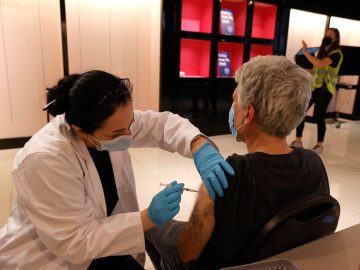
While cancer survival continues to improve nationwide, researchers warn that Hispanic Americans are experiencing some of the country’s fastest increases in colorectal cancer before age 50.
Cancer research has produced some of the most encouraging public health news in decades. Americans are living longer after a cancer diagnosis, survival rates continue to rise, and millions of deaths have been prevented through better screening, treatment, and prevention efforts.
But a new report from the American Association for Cancer Research (AACR) shows that not every community is benefiting equally. For Latino families, several troubling trends continue to emerge, including sharp increases in colorectal cancer among adults under 50 and lower rates of preventive screening.
Key Takeaways
The good news
- U.S. cancer death rates have fallen by roughly 35% since 1991.
- More than 4.5 million cancer deaths have been prevented.
- More than 18.6 million cancer survivors are currently living in the United States.
- Five-year survival rates for all cancers combined have reached approximately 70%.
The concerns
- Early-onset cancers are rising nationwide.
- Hispanic Americans are experiencing some of the fastest increases in colorectal cancer before age 50.
- Screening rates remain lower among Latino adults.
- Certain cancers linked to infections and metabolic conditions remain disproportionately high in Hispanic populations.
Why Researchers Are Worried About Colon Cancer in Younger Latinos
For years, colorectal cancer was considered a disease that primarily affected older adults.
That is changing.
According to AACR findings and related cancer research, Hispanic Americans have experienced the largest increases in early-onset colorectal cancer among major racial and ethnic groups. Rates have climbed sharply among both Latino men and women under age 50.
Researchers are still investigating why younger adults are increasingly developing colorectal cancer. Possible factors include obesity, poor diet, physical inactivity, environmental exposures, and changes in gut health.
For Latino families, the trend is particularly alarming because colorectal cancer is often highly treatable when found early but much harder to treat after symptoms appear.
Lower Screening Rates Continue to Create Barriers
One of the biggest challenges highlighted by researchers is delayed detection.
Many Hispanic adults remain less likely to receive recommended cancer screenings compared with White adults. Colonoscopies and other preventive tests can identify precancerous growths before cancer develops or catch disease at an earlier, more treatable stage.
Language barriers, lack of insurance coverage, transportation issues, limited access to specialists, and fear of medical costs continue to affect screening participation in many Latino communities.
These obstacles are especially relevant in California, where healthcare access varies significantly by neighborhood, income level, and immigration status.
Some Cancers Affect Latino Communities More Than Others
Although Latinos generally experience lower rates of some major cancers, including lung cancer, researchers found elevated risks for several other cancers.
These include:
- Liver cancer
- Stomach cancer
- Gallbladder cancer
Many of these cancers are associated with chronic infections, metabolic disorders, diabetes, obesity, and limited access to preventive healthcare.
California public health officials have increasingly focused on these conditions because many overlap with broader health challenges affecting Latino communities, including diabetes and liver disease.
Why One-Size-Fits-All Health Data Can Be Misleading
Researchers emphasize that “Latino” is not a single health category.
Important differences exist among Mexican Americans, Cuban Americans, Puerto Ricans, Dominican Americans, Central Americans, and other Hispanic populations.
For example:
- Cuban Americans have historically experienced higher lung cancer mortality rates.
- Dominican American men experience significantly higher prostate cancer mortality rates.
- U.S.-born Hispanics generally show higher cancer prevalence than foreign-born Hispanics.
These differences often disappear when all Latino populations are grouped together, making it harder for healthcare systems to target prevention efforts effectively.
California is expected to play a major role in addressing future cancer disparities because of its large Latino population and extensive public health infrastructure.
Programs supported by the California Department of Public Health, county health departments, community clinics, and university health systems such as UCLA, USC, and the University of California network have expanded efforts to increase cancer screening and prevention outreach.
The challenge now is ensuring that these resources reach communities where screening rates remain low and cancer diagnoses often occur at later stages.
Researchers say the next phase of progress against cancer will depend on more than breakthrough treatments.
Success will increasingly depend on:
- Earlier screening
- Better healthcare access
- Improved insurance coverage
- Culturally appropriate health education
- Strong community outreach programs
- Continued federal and state research investment
The AACR report makes clear that the United States is winning many battles against cancer. But for Latino families, especially younger adults who may not think they are at risk, prevention and early detection remain critical priorities.
For California and Los Angeles, the message is straightforward: cancer outcomes are improving, but the benefits will not be shared equally unless screening, prevention, and access to care improve for every community.