New federal data show a sharp rise in denaturalization lawsuits while the Department of Homeland Security proposes a major increase in citizenship application fees. The changes could affect immigrant families across California, home to the nation’s largest population of naturalized citizens.
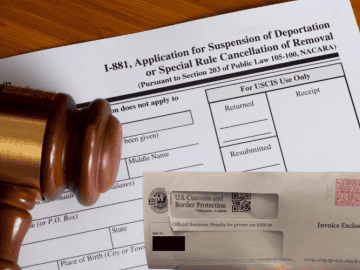
The number of denaturalization cases — the revoking of U.S. citizenship — has spiked significantly under the Trump administration, according to new data.
Transactional Records Access Clearinghouse (TRAC) reports that the Trump administration in May filed 15 denaturalization complaints for denaturalization against people who had previously been granted U.S. citizenship. So far in June, 18 denaturalization cases have been filed.
This is far more than the eight total civil denaturalization lawsuits the federal government brought in all of 2025, according to TRAC data.
The number of denaturalization cases in 2026 far exceed the number previously filed in recent history. Historically, the federal government brought an average of fewer than one civil denaturalization lawsuit per month, TRAC reports.
Since 2008, there have been 166 denaturalization complaints.
Grounds for filing denaturalization complaints include convictions for significant unlawful acts and falsifying federal records, including using a false identity to apply for citizenship.
TRAC found that under the current Trump administration, activities such as speeding, walking a dog unleashed, or fishing without a license can be the basis for the government filing a civil denaturalization complaint in federal courts.
“Thus, the specific grounds used in filing denaturalization suits bear careful watching,” the report says.
Citizenship application fees to jump
The Department of Homeland Security is proposing to increase citizenship application and court fees by 75%. The current fee of $830 would increase to $1,475, according to a document to be published in the Federal Register on Tuesday.
The National Partnership for New Americans says if approved these new fees will cause hardships for those with lower incomes who want to become U.S. citizens.
“The near doubling of fees required for this administrative process creates yet one more undue hurdle that burdens those who only want to be recognized in the last step of their American Dream,” said Murad Awawdeh, president and CEO of the New York Immigration Coalition.