State officials warn the federal policy could make graduate school more expensive for future nurses, therapists, and social workers while increasing pressure on California families already struggling with college costs.
California has joined a coalition of 25 states and the District of Columbia suing the Trump administration over a new federal student loan rule that could make graduate school significantly more expensive for students pursuing healthcare and professional careers.
For many California families, the biggest concern is simple: students training to become nurses, physical therapists, social workers, and other licensed professionals could lose access to higher-tier federal student loans and be pushed toward more expensive private borrowing.
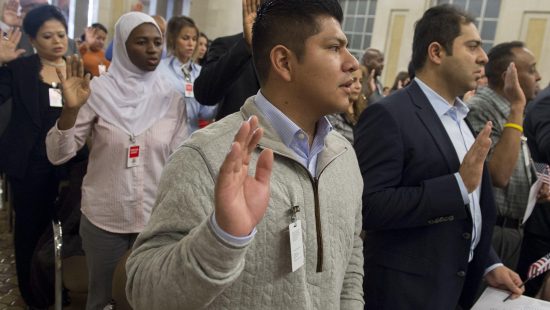
That could hit Latino, immigrant, and multilingual families especially hard in California, where many students already balance rising tuition, housing costs, family caregiving responsibilities, and first-generation college pressures.
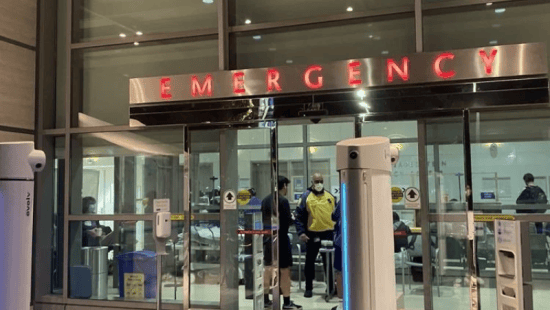
State officials argue the policy could worsen healthcare worker shortages across California while increasing financial strain on students trying to enter critical professions.
The lawsuit targets a new policy issued by the U.S. Department of Education under the Trump administration.
The rule narrows the federal definition of what counts as a “professional degree.” Under the administration’s interpretation, some graduate programs tied to licensed professions may no longer qualify students for certain higher federal loan limits.
That matters because graduate healthcare programs are often expensive and require years of training.
Students affected by the rule could face:
- Lower federal borrowing caps
- Greater reliance on private loans
- Higher interest rates
- Stricter lending terms
- Increased financial barriers to graduate school
The coalition argues the rule could discourage students from entering healthcare professions at a time when California hospitals and clinics already face staffing shortages.
Why California says this matters to families first
California Attorney General Rob Bonta called the rule “deeply shortsighted” and argued it threatens healthcare access statewide.
Bonta said the administration’s policy could reduce the number of trained healthcare workers entering California communities that already struggle with provider shortages.
That concern is especially important in Los Angeles County and other regions with large Latino and immigrant populations where many families already face long wait times for medical care, mental health services, rehabilitation support, and bilingual healthcare providers.
For multilingual families, the issue extends beyond tuition.
California schools and healthcare systems increasingly rely on culturally competent professionals who can serve diverse communities in multiple languages. Education advocates warn that higher borrowing costs could reduce the pipeline of future healthcare workers from underrepresented communities.
Who could be affected
The lawsuit focuses heavily on graduate students in licensed professional fields.
Students potentially affected
- Nursing students
- Physical therapy students
- Occupational therapy students
- Social work students
- Physician assistant students
- Other graduate students in licensed healthcare professions
Students who may face added risk
- First-generation college students
- Students relying heavily on federal aid
- Students from lower-income households
- Immigrant and mixed-status families navigating college affordability
- Students attending expensive graduate programs in California
What has NOT changed yet
The rule has not been permanently enforced nationwide because the lawsuit is ongoing.
Current students should understand:
- Existing federal student aid programs still operate under current rules while litigation proceeds
- No immediate cancellation of existing loans has been announced
- Students already enrolled should monitor guidance from their schools and federal loan servicers
Timeline parents and students should understand
One major source of confusion is timing.
What happened
The Trump administration issued the new federal loan rule through the Education Department.
What states did next
California and 25 other states filed a lawsuit seeking to block enforcement.
What happens now
A federal court will determine whether the rule can proceed while litigation continues.
What families should watch
If courts allow the policy to move forward, universities and financial aid offices may eventually update borrowing guidance for affected graduate programs.
That process could take months depending on court rulings.
Why the states say the rule may be illegal
The coalition argues the Education Department exceeded its authority under the Administrative Procedure Act.
According to the lawsuit, the agency created an overly narrow definition of professional degrees that arbitrarily excludes programs tied to state licensure requirements.
State officials say professions requiring licenses from California regulatory agencies should not suddenly lose access to loan structures designed for professional training.
Bonta also rejected the administration’s argument that restricting loans could pressure universities to lower tuition.
He called that assumption “wishful thinking” and argued students would instead be pushed toward private debt during an already difficult economic period.
The impact could extend beyond individual students.
Graduate healthcare programs depend heavily on stable enrollment and federal loan access. If borrowing becomes harder, universities could see enrollment declines in critical healthcare pathways.
That has long-term implications for:
- California hospitals
- Public health systems
- Mental health services
- Rural healthcare access
- Community clinics
- School counseling systems
California already faces shortages in several healthcare professions, especially in underserved communities and multilingual service areas.
Fewer students entering training programs could intensify those shortages over the next decade.
What students can do now
- Speak directly with university financial aid offices
- Monitor updates from federal student aid agencies
- Review current borrowing eligibility before accepting loans
- Avoid relying on social media rumors about immediate loan cancellations
- Ask schools whether programs may be affected by future rule changes
Reliable updates can be found through:
The lawsuit could become one of the biggest higher education legal fights tied to the Trump administration’s education agenda.
California officials argue the stakes extend far beyond student borrowing limits.
The outcome could affect who can afford graduate school, how California trains future healthcare workers, and whether multilingual and working-class students continue accessing professional careers at current levels.
For many families across Los Angeles and California, the question is no longer just about student loans.
It is about whether the state can continue building the healthcare workforce its communities increasingly depend on.