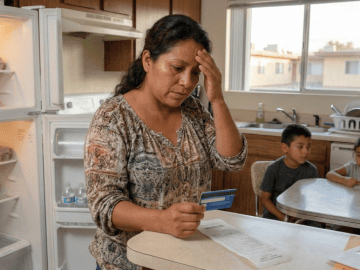
Latino wage gap California reveals a growing disconnect between workforce dominance and earnings, raising concerns about long-term economic stability and equity.

California’s economy is increasingly powered by Latino workers, yet their paychecks are still trailing far behind. A new UCLA analysis finds Latinos now account for nearly two in five workers across the state, but their earnings remain stuck in lower ranges, a mismatch that researchers warn could drag on California’s long-term prosperity.
California’s future will be shaped by demographic and economic trends that are already well underway. Latinos will remain approximately 40% of the state’s residents for the next half century, sustaining the workforce, entrepreneur class, and consumer base that powers the state’s economy. This is not a temporary trend but a structural reality that should inform planning and budgeting across all policy areas, from education to housing and health care access.
According to a report by the UCLA Latino Policy and Politics Institute, Latinos make up about 39% of California’s workforce and skew youth: the median Latino worker is 30 years old, and 42% are between 18 and 44. The institute’s analysis of 2019-2023 American Community Survey data also notes that roughly 80% of Latinos in California are U.S. citizens, while about 3.1 million are noncitizens, patterns that shape labor participation and access to benefits.
Noncitizen Workers Clock More, Earn Less
As reported by the Los Angeles Times, noncitizen Latinos participate in the labor force at higher rates, about 69%, than Latino citizens or non-Latinos, yet still earn less per hour. The Times summarizes the institute’s figures showing noncitizen Latino workers earning a median of $17 an hour compared with $20 for Latino citizens and roughly $32 for non-Latino citizens.
According to the LPPI report, Latino men are disproportionately employed in construction, 17% versus 8% for non-Latino men, and in agriculture, 5% versus 1%. Latinas are overrepresented in retail, 12% versus 9%. The report also flags low union representation, with only about 18% of construction workers and 8% of retail workers unionized in 2024, a shortfall the authors say limits pay gains and workplace protections.
Education Gains Have Not Closed The Gap
Despite rising educational attainment among younger Latinos, the financial payoff from degrees remains uneven. Only 16% of Latinos hold a bachelor’s degree or higher compared with 47% of non-Latinos. As the Los Angeles Times reports, college-educated Latinas make about $31 an hour and college-educated Latino men about $36, both still well below similarly educated non-Latino peers.
New Pay-Data Laws Try To Catch Up
According to the governor’s legislative update, SB 464 and SB 642 broaden pay-data reporting, require employers to collect and store demographic pay data separately from personnel files, and strengthen enforcement, steps supporters say could make wage gaps harder to hide. See LegiScan on SB 464 and the governor’s legislative update for details.