are morning people healthier is a question backed by growing scientific evidence linking early rising to better mental health, lower disease risk, and improved daily performance.

Waking up early has long been part of daily life for many working families—but science is now offering clearer answers about whether being a “morning person” is actually healthier.
Research from institutions like the National Institutes of Health and the American Heart Association suggests that people who naturally wake up earlier—often called “larks”—tend to experience better overall health outcomes compared to night owls. But the reasons go beyond discipline or habit. They’re deeply tied to biology and how modern society is structured.
Every person operates on a built-in 24-hour cycle known as the circadian rhythm, which regulates sleep, hormones, and energy levels. According to NIH-backed studies, hundreds of genes influence whether someone naturally feels alert in the morning or at night.
“Chronotype is not just a preference—it’s biologically driven,” researchers have found. While it can shift slightly with age, most people have a natural rhythm that doesn’t easily change.
Why early risers often have better health
Multiple large-scale studies link morning chronotypes to lower risks of chronic disease. The American Heart Association reports that people with later sleep schedules are more likely to face higher risks of heart disease, diabetes, and stroke.
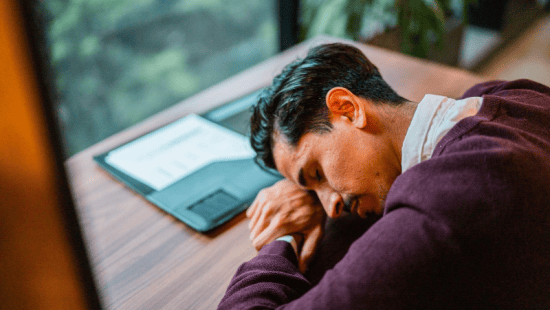
Mental health also plays a role. Researchers have found that night owls are more likely to experience depression and anxiety, partly due to what experts call “social jet lag”—a mismatch between the body’s natural clock and work or school schedules.
“When your internal clock is constantly out of sync with your obligations, it creates chronic stress on the body,” sleep specialists at Houston Methodist note.
That said, night owls aren’t at a disadvantage in every way. Some research, including studies highlighted by PBS, suggests they may perform better on certain cognitive tasks, including memory and problem-solving.
But those benefits often come at a cost. Because most jobs and schools in the U.S. follow early schedules, night owls are forced to adapt, often losing sleep and accumulating fatigue over time.
For many Latino families in the U.S., this conversation hits close to home—not because of culture alone, but because of work realities. Jobs in construction, agriculture, hospitality, and healthcare often require early start times, reinforcing morning-aligned routines regardless of personal preference.
That alignment may actually offer a protective health effect. Being in sync with daytime schedules can improve sleep consistency, which experts say is one of the most important factors for long-term health.
But the bigger takeaway is not that everyone should wake up earlier—it’s that consistent, high-quality sleep matters most.
The science is clear: morning people tend to have better health outcomes, largely because their internal clocks align more closely with how society operates. But forcing a night owl into an early schedule without enough sleep can do more harm than good.
Experts recommend focusing on sleep duration, consistency, and exposure to natural light—rather than trying to completely change your biological rhythm.
In the end, it’s not just about when you wake up. It’s about whether your body—and your life—are in sync.
How Daylight Saving Time Affects Your Health — and How to Protect Yourself