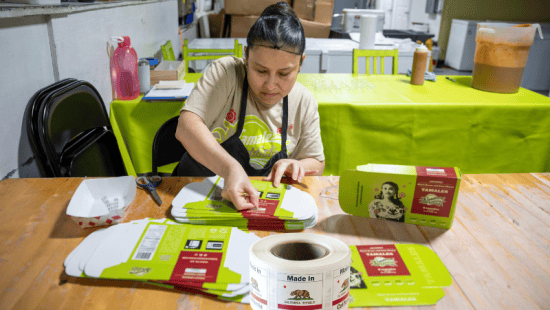
New federal data show Latino childhood obesity rates are climbing to historic levels, raising urgent concerns about health equity, food access, and long-term community well-being.
Obesity rates have hit new highs for children and adolescents, but could be waning among adults, the Centers for Disease Control and Prevention reported Wednesday.
A study from the CDC’s National Center for Health Statistics estimated that 21.1% of youths aged 2 to 19 were obese between August 2021 and August 2023, up from 5.2% of those the agency surveyed from 1971 to 1974.
For Latino children, the situation is even worse. In the U.S., they face a disproportionate risk of obesity, with nearly 40% being overweight or obese due to high consumption of low-nutrient, sugary foods and low levels of physical activity. Contributing factors include targeted marketing, “food swamps” with limited access to healthy options, and cultural, environmental, and socioeconomic barriers.
And in California, Latino children face even more alarming high rates of obesity, driven by disproportionate consumption of fast food, sugary drinks, and sedentary lifestyles. Data shows 70% of young Latino children eat fast food weekly, often influenced by intense marketing, limited access to healthy food, and lower parental influence, leading to higher obesity rates than peers.
That’s a new high in 50 years of data on youth obesity, which the CDC defines as a body mass index at or above the 95th percentile for each age and sex.
In a separate study, the CDC found that 40.3% of adults aged 20 and older were obese from 2021 to 2023. For adults, the CDC defines obesity as a body mass index of 30 or more.
That’s up significantly from 22.9% of adults classified as obese from 1988 to 1994, when the CDC added people older than 74 to the count. Yet it’s down slightly from 42.4% during the last survey between 2017 and 2018.
Responding to these findings, some health experts attributed the peak in childhood obesity to unhealthy diets and increased screen addiction.
“Kids today are eating more ultra-processed, high-calorie foods and spending more time sitting than ever before,” said Sarah Pelc Graca, a Michigan-based fitness and nutrition coach. “Many families don’t have easy access to healthy foods, and there’s a ton of marketing aimed at kids for less nutritious options.”
ew U.S. Visa Rules Target Applicants with Diabetes or Obesity