New economic data shows Latino households buy beef more often than most Americans—just as a historic cattle shortage could keep beef prices elevated through the decade.
For many Latino households, beef is more than a protein choice — it is part of family tradition, weekend gatherings, and recipes passed down through generations. But a combination of cultural demand and tightening supply is colliding with a new economic reality: beef prices may stay elevated for years.
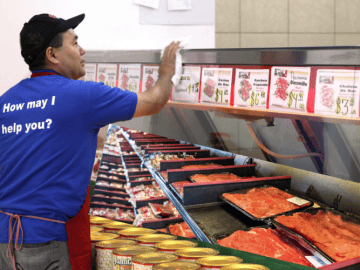
Recent research highlighted by the National Institutes of Health and federal agriculture data shows Latino consumers purchase and eat beef more frequently than the national average. Some studies estimate Latino shoppers prepare beef four to five times per week, compared with two to three times for other U.S. consumers. Annual spending reflects that difference as well, with Latino households spending roughly one-third more on beef than many other shoppers.
Industry analysts say the cultural connection is real — and measurable. Traditional dishes such as carne asada, barbacoa, and bistec ranchero continue to anchor family meals. At the same time, economists note a gradual shift among longer-settled Latino families toward more “Americanized” consumption patterns like burgers or fast-casual beef meals, reflecting broader integration into U.S. food markets.
But the larger story unfolding is economic.
According to analysis from the USDA Economic Research Service, the United States is dealing with the smallest cattle herd in more than 75 years. That structural shortage is now rippling through the supply chain — from ranches to supermarkets.
Economists and industry groups, including the National Cattlemen’s Beef Association, warn that rebuilding herds is slow and expensive. Years of drought across major ranching states, higher feed costs, and rising interest rates pushed many producers to reduce herd sizes. Unlike other industries, cattle supply cannot rebound quickly; rebuilding breeding herds can take several years.
That reality is already visible in the data. Market trackers and consumer finance analysis cited by NerdWallet note that ground beef prices hit record levels in 2025, with analysts projecting tight supply through at least 2026 — and possibly longer if climate pressures and financing costs remain high.
For Latino households, the implications go beyond inflation headlines. Because beef plays a larger role in weekly meal planning in many communities, price spikes can hit grocery budgets disproportionately. Economists describe this as a “consumption concentration effect” — when price increases in a commonly used product ripple more strongly through certain households.
Still, the story is not just about cost. It is also about adaptation. Retail data shows many families adjusting portion sizes, mixing beef with other ingredients, or shifting purchases toward sales and value cuts rather than abandoning traditional meals altogether.
In other words, the cultural role of beef in Latino kitchens remains strong — even as the economics behind it are changing.
For the beef industry, the message from economists is clear: high prices are not just a temporary surge. For consumers, especially Latino families who buy beef more frequently, the next few years could reshape how one of the most familiar ingredients shows up at the dinner table.

Immigration Slowdown Is Reshaping LA’s Economy — And Small Businesses are Struggling