Vaccination, STI and TB services will shift to six remaining sites and community partners beginning Feb. 27, 2026
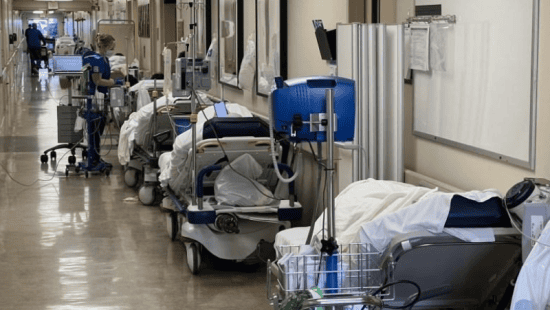
Los Angeles County will close seven public health clinic locations on February 27, 2026, citing more than $50 million in combined federal, state and local funding reductions, according to the Los Angeles County Department of Public Health.
For Latino families — who make up nearly half of L.A. County’s population and a majority in several impacted neighborhoods — the change could mean longer travel times for routine vaccinations, sexually transmitted infection (STI) testing, and tuberculosis (TB) screening.
Where the closures hit hardest
Among the clinics set to close are sites in Pomona, Lancaster (Antelope Valley), Hollywood-Wilshire, Torrance and Inglewood, including the Dr. Ruth Temple Health Center in South Los Angeles.
Pomona is roughly 70% Latino, according to U.S. Census data. Parts of the Antelope Valley range between 40% and 50% Latino, and South L.A. is now majority Latino after years of demographic shifts.
Public Health officials said the decision was driven by “severe fiscal challenges” and rising operational costs. Clinical services — including immunizations, STI treatment and TB testing — will end at the affected sites, though some wellness programming may continue at select locations.
What stays open
Six Public Health clinics will remain operational, including:
-
Whittier Health Center
East L.A. is more than 95% Latino, and Pacoima exceeds 85% Latino, meaning key safety-net services will continue in heavily immigrant communities.

The department also confirmed patients will be referred to nearby community clinics and regional providers such as the High Desert Regional Health Center. Virtual appointments remain available seven days a week through the county health portal.
Immigration concerns addressed
In its public statement, the department emphasized that services remain available regardless of immigration status, a critical assurance as fear and misinformation continue to affect care-seeking behavior in immigrant communities.
Health policy experts warn that clinic access disruptions can lead to delayed STI diagnoses, lower vaccination coverage and missed TB screenings — outcomes that disproportionately affect working-class families.
L.A. County’s move reflects broader national strains on public health infrastructure as pandemic-era funding expires. While officials say consolidating sites will preserve core services, community advocates argue that physical proximity matters — especially for patients relying on public transportation or hourly work schedules.
For Latino neighborhoods already navigating economic pressure, the question now is practical: not whether care exists somewhere — but whether it remains truly accessible.
A Half-Cent That Could Save Lives: Why L.A. County’s Small Tax Hike Carries Outsized Stakes