New data shows Latino households prioritizing trust and value over one-click convenience
After years of relentless growth, daily online shopping in the U.S. is hitting a wall — and Latino consumers are at the center of a quiet but consequential shift back to physical stores.
A January 2026 consumer report from Salsify found that the share of Americans shopping online every day plunged from 21% to just 9% in a single year, a 57% drop that marks one of the sharpest reversals in modern retail history. The pullback isn’t about rejecting technology. It’s about restoring control.
“Consumers are recalibrating,” Salsify researchers wrote, pointing to rising prices, global trade strain, and growing frustration with mismatched products, surprise fees, and complicated returns.
Certainty Beats Convenience
According to Salsify’s 2026 Consumer Research, 60% of shoppers now discover products in physical stores, surpassing online marketplaces (57%) for the first time in years. Shoppers say they want to see products in person, confirm quality, and avoid costly mistakes — especially as household budgets tighten.
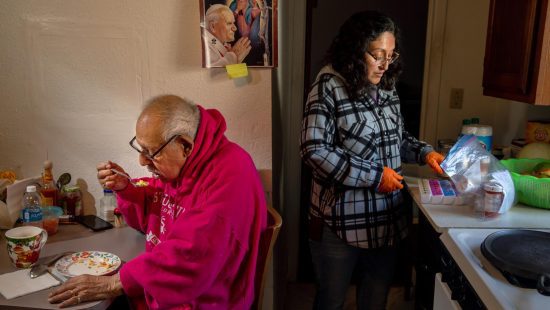
That preference resonates strongly in Latino households, where purchases often stretch across multigenerational families and price sensitivity is high. In that context, a wrong purchase isn’t just inconvenient — it’s financially disruptive.
The data shows consumers are behaving more deliberately:
-
39% are comparing prices more carefully
-
27% are cutting discretionary spending
-
Fewer shoppers are making fast, impulse buys online
Retail analysts cited in business media say the shift reflects growing skepticism toward frictionless e-commerce, which once promised savings but now often delivers uncertainty.
A Trend Parriva Flagged Early
This reversal didn’t come out of nowhere. Parriva previously reported that physical retail was quietly rebuilding its relevance, not as a nostalgic throwback but as a strategic anchor in a volatile economy.
“Physical stores are not just surviving — they are becoming a backbone of retail, serving as showrooms, fulfillment hubs, and trust centers in an omnichannel world,” Parriva reported in its earlier analysis of the brick-and-mortar comeback.
That framing helps explain why consumers are researching online — then choosing to buy offline. Stores have become places where trust is rebuilt after years of digital fatigue.
What This Means for Latino-Owned Businesses
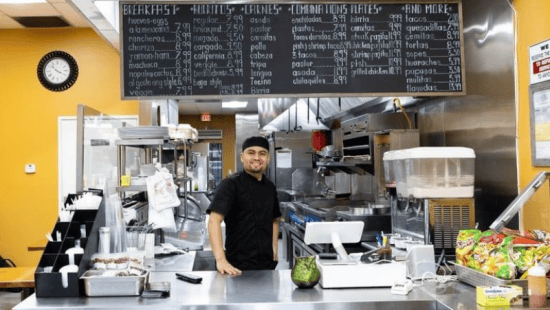
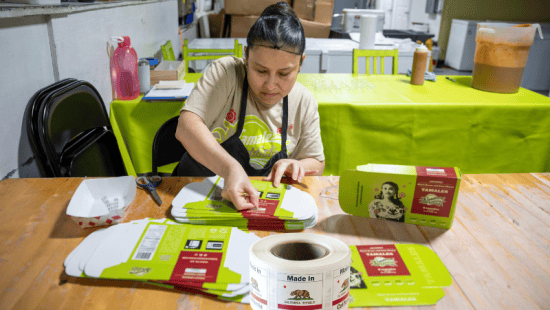
For Latino entrepreneurs, especially small retailers, neighborhood shops, and family-run businesses, the shift offers both relief and opportunity.
During the pandemic years, many small businesses struggled to compete with platform-driven e-commerce. Now, their strengths — personal service, transparent pricing, community trust, and human accountability — are back in demand.
Hybrid models are proving especially effective in Latino communities: browsing online, confirming in person; WhatsApp ordering paired with in-store pickup; digital discovery followed by cash or card at the counter.
The Bigger Picture
Daily online shopping didn’t just slow — it lost its automatic status.
What’s replacing it is a more cautious, values-driven consumer mindset shaped by inflation, lived experience, and a desire for certainty. Technology still matters, but it’s no longer trusted blindly.
For consumers, the message is simple: convenience isn’t enough if it comes with risk.
For retailers, especially Latino-owned businesses, the takeaway is more hopeful: trust has become a competitive advantage again — and physical stores are where it’s being rebuilt.