Senate Bill 729 requires many health plans to cover infertility care, a step advocates say could improve reproductive access where costs have long been prohibitive.
In 2026, California is set to become one of the first states in the country to mandate comprehensive infertility care, including in vitro fertilization (IVF), for many employer-sponsored health plans. For millions of Californians — especially those in Latino communities disproportionately affected by cost barriers to health care — the change could be a meaningful shift in access.
Under Senate Bill 729 (SB 729), effective January 1, 2026, fully insured health plans offered by large employers (100+ workers) must cover infertility diagnosis and treatment. Covered benefits include up to three completed egg retrievals, unlimited embryo transfers, fertility medications, monitoring and lab work, and medically necessary fertility preservation.
For Latinos — California’s largest racial or ethnic group — the stakes are high. Data from the Kaiser Family Foundation shows that Latino women of reproductive age are more likely than some other groups to be uninsured or underinsured for specialty care, and more likely to cite financial cost as a barrier to accessing reproductive services. IVF costs, which can exceed $20,000 per cycle, have placed family-building out of reach for many working households.
“By moving infertility treatment into the realm of standard health coverage, SB 729 lifts a major financial hurdle,” said a reproductive health policy expert who reviews state mandates across the U.S. Fertility and Sterility, a leading clinical journal, has documented that cost is the leading reason patients discontinue IVF treatment, a finding echoed in community health reports focused on access disparities among Latino and Black patients.
A notable feature of SB 729 is its broader definition of infertility, explicitly including same-sex couples, single parents by choice, and people whose circumstances don’t fit older medical definitions. Advocates say this matters in communities where multi-generational families and non-traditional parenting structures are common.
Still, gaps remain. Self-funded employer plans — which cover many workers in large corporations — are exempt, as are Medi-Cal plans and some religious employers. State employees in CalPERS will see coverage come online by July 1, 2027.
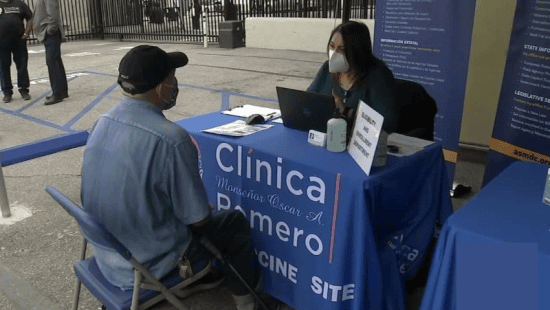
For many Latino families, awareness of these changes will be key. Health navigators and community clinics recommend that workers check with HR or plan administrators about how SB 729 will affect their specific coverage upon plan renewal.
While SB 729 does not single-handedly erase longstanding reproductive access inequalities, many health advocates say it represents a concrete step toward making fertility care affordable and equitable — particularly for groups who have long faced both economic and systemic barriers to care.
What New Research Really Says About Tylenol Use During Pregnancy