New USCIS marriage green card rules tighten oversight, extend timelines, and raise the stakes for immigrant households
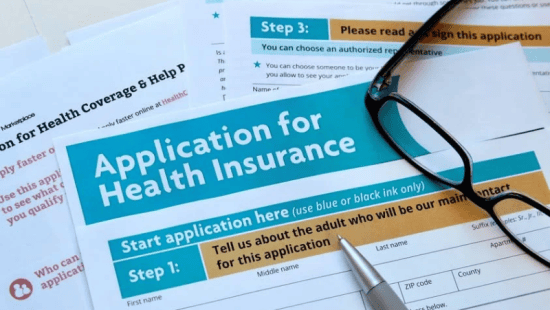
U.S. Citizenship and Immigration Services (USCIS) implemented updated rules in January 2026 for obtaining and maintaining permanent residency through marriage—one of the most commonly used pathways to legal status in the United States. According to the federal agency, the changes reflect a stronger focus on fraud prevention and strict compliance with procedural requirements.
For millions of immigrant families—including many of Latino origin—the marriage-based green card represents legal stability, full access to employment, and the ability to plan long term. As a result, the updates are significant: failure to meet the new requirements may lead to the automatic loss of status and, in some cases, the initiation of removal proceedings.
Conditional Residency: Deadlines and New Extensions
USCIS continues to issue conditional permanent residency valid for two years when the marriage is less than two years old at the time of approval. To remove the conditions and obtain permanent residency, applicants must file Form I-751 within the 90 days before the card expires.
One of the key changes is an automatic extension of conditional residency validity for up to 48 months, provided Form I-751 is filed correctly and on time. This measure is intended to prevent gaps in status while USCIS processes applications that often take longer than expected. Still, USCIS warns that missing the filing window can result in automatic termination of residency.
How USCIS Verifies That a Marriage Is Genuine
The agency requires couples to demonstrate that their marriage is bona fide and not entered into solely for immigration benefits. According to official guidance, cohabitation is one of the primary indicators, and cases in which spouses do not live together receive heightened scrutiny.
Common evidence requested by USCIS includes:
-
Joint lease agreements or mortgages
-
Shared bank accounts
-
Joint insurance policies
-
Recent photographs showing shared life activities
-
Sworn statements from family members or friends
-
Mail and bills addressed to both spouses
USCIS allows alternative documentation when physical separation is justified—such as for work, education, or family obligations—so long as the evidence is clear and consistent.
Red Flags and Increased Scrutiny
USCIS has identified several factors that may trigger deeper review, including significant age differences between spouses, language barriers, lack of shared residence, or marriages entered into during removal proceedings. In such cases, the agency has stated that applications will be examined “with particular rigor.”
Additionally, using outdated forms or submitting incorrect fees can result in immediate rejection. As of February 2025, USCIS accepts only the most recent version of Form I-485, and immigration fees were adjusted through a final rule published in January 2024.
What Applicants Should Do
The new rules do not change who is eligible to apply for a marriage-based green card, but they do raise the compliance bar. USCIS advises applicants to regularly check its official website, strictly observe deadlines, and submit complete, verifiable documentation.
For immigrant families, these updates reinforce a well-known reality: in immigration matters, administrative mistakes can carry serious consequences. Understanding the changes, preparing early, and documenting the relationship thoroughly is now more important than ever.

Parole in Place: When the U.S. Trades Immigration Relief for Military Service