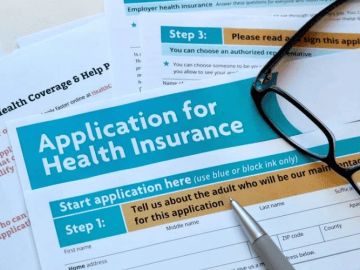
Employer health costs are projected to rise sharply, while ACA insurers are seeking double-digit increases in many states. For California families and workers, the bigger question is how much of the increase will reach their paycheck, deductible and doctor bills.
Health insurance is supposed to protect families from the financial shock of getting sick.
But in 2027, that protection could become more expensive.
A new survey of more than 1,800 employers projects that the cost of employer-sponsored health benefits will rise 8.2% in 2027, the largest increase since 2003. Without changes employers make to control costs, the underlying increase is projected at about 11%.
The warning comes as insurers in the Affordable Care Act marketplace are also seeking substantial increases. Across 276 insurers in all 50 states and Washington, D.C., the median proposed premium increase for 2027 is 15%, according to KFF. Most proposed increases fall between 10% and 25%.
But those numbers do not mean everyone’s insurance bill will rise by the same amount.
The real question is where the additional cost lands.
Your paycheck could feel it first
For workers with employer-sponsored insurance, an increase in the employer’s health benefit costs does not automatically translate into an identical increase in the employee’s premium.
Employers can respond by absorbing some of the increase, increasing employee contributions, raising deductibles, changing copays or moving workers into different plans.
That means an employee could technically keep the same insurance while paying more to use it.
For families already balancing housing, food, transportation and childcare costs, even a relatively small increase in the monthly premium can matter.
And a higher deductible can create an even bigger problem when someone actually needs medical care.
California has a different number
For Californians who buy individual coverage through Covered California, the preliminary picture is a 9.9% weighted-average rate increase for 2027.
But that is an average, not a prediction of what every consumer will pay. Actual changes vary by insurer, plan and region, and the proposed rates remain subject to review. Covered California’s 2027 rates and plans
There is another important distinction: the price of a plan and the amount a person actually pays are not always the same.
Financial assistance can substantially reduce premiums for eligible Californians.
That means two people looking at the same insurance market could face very different bills depending on income, household size, plan choice and eligibility for assistance.
Why is health insurance getting so expensive?
There is no single cause.
Benefit consultants point to several pressures, including expensive specialty medications and growing use of GLP-1 drugs, rising hospital and physician costs, provider consolidation and higher payments associated with out-of-network disputes.
Marsh also identifies newer cost pressures, including AI-enabled billing and coding systems that can increase the number or complexity of claims submitted by providers.
The important point for consumers is that these costs do not stay inside the healthcare system.
They eventually have to be paid by someone.
That can mean insurers pay more to providers, employers pay more for coverage, workers contribute more toward premiums or out-of-pocket costs, or families pay more when they use healthcare.
The cheapest premium may not be the cheapest plan
This is where the 2027 decision becomes more complicated.
A plan with a lower monthly premium may come with a higher deductible, higher coinsurance or a narrower network.
A plan with a higher premium may cost less when you actually need medical care.
Before choosing a plan, look beyond the monthly premium and check:
- Deductible: How much you pay before the plan begins covering many services.
- Copays and coinsurance: What you pay when you receive care.
- Out-of-pocket maximum: Your potential annual exposure for covered care under the plan’s rules.
- Doctor network: Whether your doctors and hospitals remain in-network.
- Prescriptions: Whether your regular medications are covered and at what cost.
- HSA eligibility: Whether the plan qualifies for a Health Savings Account and whether an HSA makes sense for your household.
If you rarely use healthcare, a higher deductible can sometimes reduce your monthly premium.
But someone who regularly sees doctors, takes expensive medications or expects significant medical care could end up paying considerably more under that same strategy.
The goal should not be finding the cheapest premium.
It should be finding the lowest realistic total cost for your family’s healthcare needs.
Some immigrant families face another 2027 change
Premium increases are not the only issue facing California families.
Covered California says federal policy changes will affect financial assistance eligibility for some lawfully present immigrants in 2027. At the same time, California’s Medi-Cal program is also undergoing significant immigration-related changes. Covered California’s information for immigrants
For anyone whose eligibility or immigration category affects their health coverage, it is especially important to check the rules for 2027 rather than assume that current financial assistance will continue unchanged.
California also says that beginning July 2027, certain adults ages 19 to 59 who are undocumented or have an unsatisfactory immigration status and remain in full-scope Medi-Cal will be required to pay a $30 monthly premium. California Department of Health Care Services Medi-Cal information
What you can do before 2027
Don’t wait until you receive a new insurance bill to examine your options.
If you get coverage through work, compare every plan during open enrollment. Look at the annual premium, deductible, copays, out-of-pocket maximum and provider network together.
If you buy your own coverage, check your Covered California options and financial assistance eligibility before automatically renewing your existing plan.
If your employer changes your plan, ask what changed and calculate what the difference means for your household over an entire year.
And if healthcare costs are already putting pressure on your budget, Parriva’s guide on what Californians can do when they cannot afford health insurance can help you identify potential options before going without coverage.
For small-business owners, rising health costs can create another difficult calculation. Parriva’s guide, Survive the Storm: What Small Businesses Should Protect When Money Gets Tight, looks at how businesses can prioritize essential costs when money gets tight.
The 2027 health insurance story is not simply that premiums are going up.
It is that the cost of healthcare is being redistributed.
Employers may pay more. Workers may contribute more. Insurers may raise premiums. Patients may face higher deductibles or different networks.
For families, the most important number may not be the percentage increase announced in a survey.
It may be the amount left in the household budget after the insurance bill is paid.
Before choosing a 2027 plan, look at the whole cost of staying healthy, not just the price of staying insured.