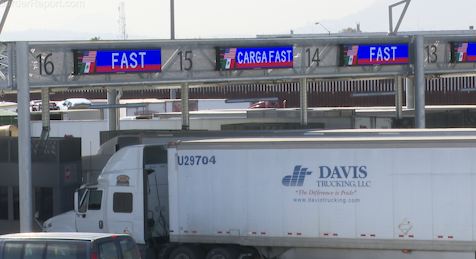
The U.S. tourism decline 2026 signals billions in potential losses, raising concerns for Latino-owned businesses, border economies, and major upcoming global events.
Last year, as tourism grew worldwide, the United States was the only major destination to see a decline in foreign visitors, recording a 6 percent drop, according to the World Travel and Tourism Council, an industry group. January saw a continued decline in inbound visitors, down 4.8 percent from January 2025.
Visitors from Canada, usually the second-largest source of U.S. tourism after Mexico, plunged by 28 percent in January compared to January 2024.
Other key markets like Germany and France also recorded significant declines, while Britain, the largest long-haul source market for the U.S. tourism, saw a marginal growth of 0.5 percent compared to the previous year.
“When 11 million international visitors aren’t showing up, the result is billions of dollars in economic losses to the travel industry,” said Erik Hansen, a senior vice-president at the U.S. Travel Association, a trade group that promotes travel to and within the country.
Visa Fees and Social Media Vetting
The Trump administration has made it significantly harder for some travelers to enter the United States, barring visitors from more than a dozen countries and introducing a $250 “visa integrity fee” for nonimmigrant tourist and business visas designed to discourage visitors from overstaying. Visitors are also facing more rigorous vetting at the border, with increased searches of electronic devices, some resulting in detentions and denied entry. Citizens of countries who just need an electronic authorization to visit the United States may soon be required to provide up to five years of social media history to enter; that could result in a loss of up to $15.7 billion in visitor spending, according to the World Travel and Tourism Council.
“These are the kinds of measures you expect from China or countries in the Middle East, not from America,” said Felicity Morgan, 49, a British trade auditor who lives between Amsterdam and London, referring to detentions at airports linked to social media screenings for content deemed critical of the government or a risk to national security. Last month, she canceled a trip to Miami for her friend’s 50th birthday because she didn’t want to risk losing thousands of dollars if she was denied entry.
With the United States set to host the FIFA World Cup this summer and major events lined up around the country’s 250th anniversary and the Route 66 Centennial, 2026 has the potential to reverse the negative trend line, said Mr. Hansen of the U.S. Travel Association. Initial projections from Oxford Economics, the global economic advisory firm, forecast a 3.9 percent growth in international inbound travel, a modest gain that would not recover the decline since the start of the second Trump Administration.
“Ongoing policy uncertainty and enforcement actions from the Trump administration are likely to limit gains, leaving the U.S. at risk of underperforming other international destination markets again this year,” the firm said.
Why So Many U.S. Visas Are Denied — and What Families Often Don’t Realize