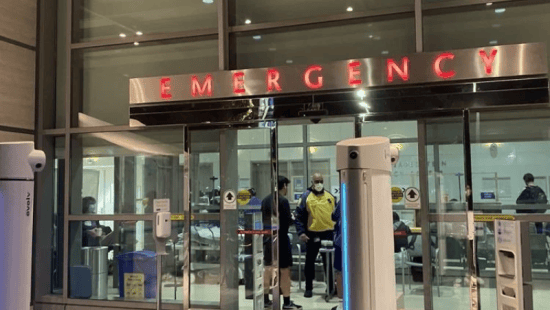
New federal data shows overdose deaths declining nationwide, but synthetic opioids like fentanyl continue to drive deadly addiction patterns across California and among Latino families.
Drug overdose deaths in the United States are finally declining after years of record-breaking fatalities, according to new data from the Centers for Disease Control and Prevention. But public health experts warn the crisis is far from over, especially in California communities still struggling with fentanyl addiction, mental health challenges, and rising economic stress.
The latest provisional figures from the CDC show nationwide overdose deaths dropped significantly over the past year, marking one of the largest declines since the opioid epidemic began. The agency estimates roughly 30,000 fewer Americans died from overdoses compared with the previous year.
That shift is giving health officials cautious optimism.
But the same data also shows synthetic opioids, particularly fentanyl, remain the dominant driver of overdose deaths across the country. In California and Los Angeles County, public health agencies continue to warn that fentanyl is deeply embedded in counterfeit pills and street drugs used by teenagers, workers, unhoused residents, and longtime addiction sufferers alike.
For Latino communities, the crisis has become increasingly personal.
Why the CDC Data Matters
The CDC’s overdose tracking system is one of the nation’s most important public health monitoring tools because it compiles death certificate reporting from all 50 states. The latest data gives researchers and policymakers an early look at whether prevention strategies are working.
According to the CDC, the decline likely reflects multiple factors:
- Expanded naloxone availability
- Increased addiction treatment access
- Greater public awareness of fentanyl dangers
- Wider harm-reduction efforts
- Changes in drug-use patterns after the pandemic
Still, overdose deaths remain historically high.
Public health experts say the country is not “post-crisis.” Instead, the epidemic may be entering a new phase where communities are adapting to fentanyl’s long-term presence rather than eliminating it.
Why California Remains Vulnerable
California has invested heavily in addiction response programs, including naloxone distribution, mental health expansion, and opioid settlement funding. But the state also faces unique risks tied to housing instability, untreated mental illness, and the sheer scale of the illicit drug market.
In Los Angeles County, fentanyl has become one of the most urgent public health threats.
Health officials say many overdose victims never intended to consume fentanyl at all. The drug is frequently mixed into counterfeit painkillers, Xanax-style pills, cocaine, and methamphetamine.
That unpredictability makes the crisis especially dangerous for younger users and occasional drug consumers who may not consider themselves at risk for opioid overdose.
Latino communities have also seen growing overdose impacts in recent years, partly because earlier phases of the opioid epidemic disproportionately affected white rural populations and received more national attention.
Now, public health researchers increasingly warn that overdose prevention messaging often fails to adequately reach Spanish-speaking households, immigrant communities, or mixed-status families.
What the New CDC Data Shows
- National overdose deaths declined significantly year over year
- Tens of thousands fewer Americans died from overdoses
- Fentanyl remains the leading cause of overdose deaths
- Synthetic opioids continue driving the majority of fatalities
Why Experts Are Still Concerned
- Overdose deaths remain historically high
- Fentanyl contamination remains widespread
- Mental health and addiction treatment gaps persist
- Young people remain vulnerable to counterfeit pills
Why This Matters in California
- Los Angeles County continues battling fentanyl-related deaths
- Latino communities face growing overdose risks
- Housing and economic instability worsen addiction vulnerabilities
- California healthcare systems still face treatment shortages
The Latino Community Impact Often Missed
One issue often overlooked in national overdose coverage is how addiction intersects with immigration stress, economic pressure, and healthcare access barriers.
Many Latino families face additional obstacles when seeking addiction treatment:
- Lack of insurance
- Language barriers
- Fear tied to immigration status
- Cultural stigma surrounding mental health and substance abuse
- Limited access to bilingual care providers
Community health advocates across California say those barriers can delay treatment until addiction becomes severe.
Researchers at institutions including UCLA and the University of Southern California have increasingly focused on culturally responsive addiction treatment models designed to improve outcomes in Latino communities.
Federal and California officials are expected to continue expanding fentanyl-response strategies over the next several years.
That includes:
- More naloxone distribution
- School awareness campaigns
- Expanded treatment funding
- Stronger overdose surveillance systems
- Mental health response investments
But health experts say long-term progress depends on more than emergency intervention.
The next phase of the overdose crisis may center on whether states can build stable systems for addiction treatment, housing support, mental healthcare, and youth prevention before fentanyl becomes even more deeply normalized in communities already under economic strain.
For California families, the latest CDC numbers offer hope.
But they also carry a warning: fewer deaths does not mean the danger has disappeared.